
 Pakistan · World · Independent Digital Newsroom
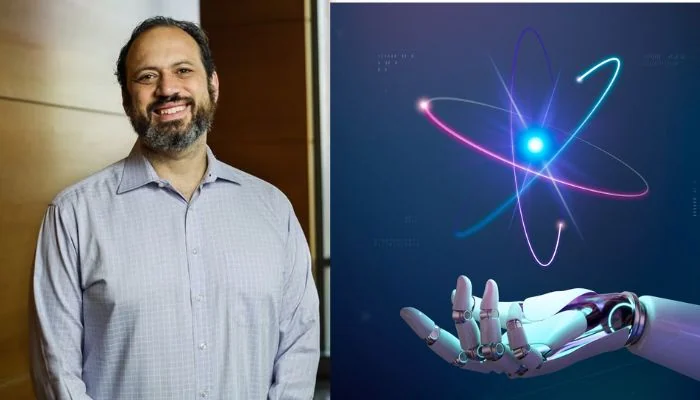
Wharton professor Ethan Mollick, author of the new book Co-Existence, thinks neither is reliable.
On Peter Kafka's Channels podcast, he explained why, and what to build instead.Both plumbing and nursing, Mollick argues, will be safe until the "PlumBot 6000." His robotics friends who used to mock the idea have now come to acknowledge its existence.
No one knows the future, he claims, not even the AI experts.The question is whether the field will produce more or less jobs, but one thing is certain, which is that coders' responsibilities keep on evolving.
The ability to imagine what you want to build becomes much more important than being able to write the perfect code.Mollick names four things that give you at least some advantage:"Learn to use AI" means little now, he argues.
Prompting looks more like managing.
You specify the product, how you'll know it's good, how to test it and what to show you partway through.
You might ask for five mockups to choose among.The bigger worry is how you develop that taste in the first place.
Apprenticeship has always traded low-paid grunt work for skills and contacts, with managers getting help in return.According to Mollick, this cycle is now over.
Junior employees depend entirely on AI in performing tasks and lack enough experience to evaluate outcomes.
Why would one choose to employ an intern to perform tasks that AI can solve?Employers do not wish to receive substandard performance from interns.
Institutions of higher learning concern Mollick less since AI is a good tutor, and testing in class without AI is simple.Either higher education institutions take up much of the training with white-collar jobs being akin to vocational schools or firms view mentorship as actual labor despite its cost in terms of productivity.
Wharton professor explains why no career is truly AI-proof November 2, 2026.