


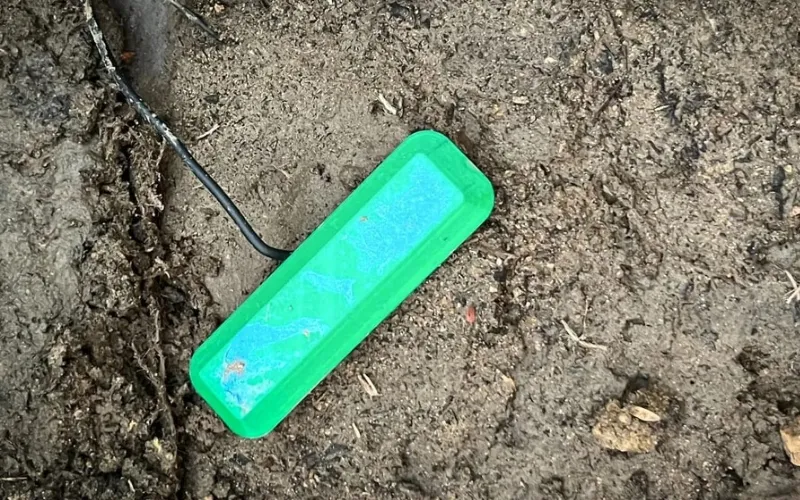
Scientists at Northwestern University have unveiled a surprising technological breakthrough after successfully developing a fuel cell that can generate electricity using nothing more than naturally occurring soil bacteria potentially changing the future of underground monitoring systems.
The compact device roughly the size of a paperback book, is designed to power low-energy systems such as agricultural soil sensors, eliminating the need for traditional batteries or solar panels.
The innovation could be especially transformative for remote and hard-to-reach environments where maintaining power supply has long been a major challenge.
In precision agriculture buried sensors are commonly used to track soil moisture, nutrients, and contamination levels.
However, their dependency on batteries and solar energy has often limited long-term reliability. Batteries require frequent replacement while solar panels can fail in muddy conditions or during nighttime operation.
What makes this development particularly striking is that the system generates electricity directly from soil microbes organisms already present in the ground. These microbes release electrons while breaking down organic matter which are then captured to produce usable electrical energy through a microbial fuel cell system.
Although the concept has existed for more than a century earlier versions of microbial fuel cells suffered from weak power output and unstable performance, especially in dry or unpredictable environmental conditions.
To overcome these limitations researchers spent two years testing multiple designs before developing a highly efficient vertical structure. In this configuration a carbon-felt anode is placed beneath the soil while a vertically positioned cathode extends upward allowing oxygen intake above ground while remaining partially buried in moist soil.
A protective 3D-printed casing prevents contamination while ensuring airflow, and parts of the system are waterproofed so it can continue functioning even during flooding conditions.
During field experiments, the results were unexpectedly powerful. The system continued operating through both drought and flood conditions, producing up to 68 times more energy than required by its sensors, far exceeding expectations.
The sensors powered by this system were able to measure soil moisture and detect physical movement in the soil, potentially allowing farmers to monitor livestock or wildlife activity across agricultural land. The setup also included a low-energy antenna capable of transmitting data wirelessly through radio signal reflection.
Researchers emphasized that the system is intended for small-scale applications rather than large electronic devices. According to senior researcher George Wells, the goal is to harness small but continuous energy flows for practical environmental monitoring solutions.
What makes the discovery even more remarkable is that all components used in the prototype can be sourced from standard hardware stores, and the team has openly shared designs and instructions for public use.
Looking ahead, scientists are now working on an even more advanced version of the system using biodegradable materials that can safely decompose in soil after use potentially making it one of the most environmentally sustainable energy innovations to date.
