
 Pakistan · World · Independent Digital Newsroom
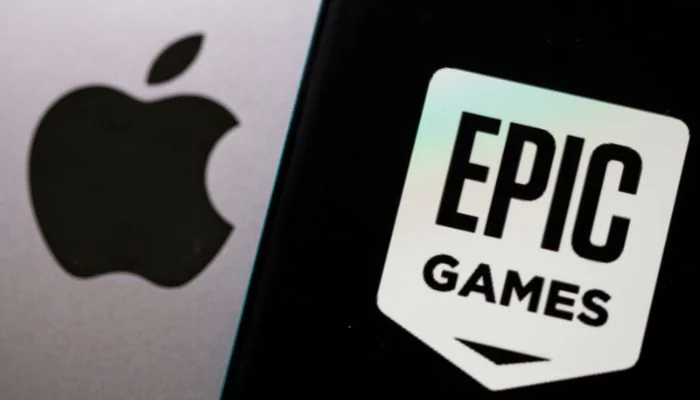
The question is narrow but consequential: can a company be held in civil contempt for breaking the "spirit" of an injunction when its text never banned the conduct?The justices will consider only the issue of civil contempt.
They will not consider whether there is any charge that Apple can levy on the purchases of developers beyond the App Store.That decision is left with the district court, having ruled against a blanket ban on the fees by the Ninth Circuit in December.
The Court also did not take up the appeal by Apple about the scope of the injunction.Epic Games filed its lawsuit in 2020 after Fortnite was removed from the App Store due to adding an alternative payment system.
In 2021, Judge Yvonne Gonzalez Rogers granted Apple a victory on nine of ten claims, yet prevented it from prohibiting the developers from offering users alternative payments.Apple later permitted the use of links to other sources but imposed fees up to 27 per cent and limited the ways of using links.
In April 2025, Judge Rogers found Apple in civil contempt and forced it to remove both the restrictions and the commissions.The tech giant permitted linking without any commissions to US developers while appealing the ruling, which was declined by the Ninth Circuit Court.
The Supreme Court later accepted the case.In its September brief, Apple argued that the original injunction never explicitly prohibited commissions and that a party can't be held in contempt unless an injunction clearly bars the conduct.The Department of Justice and several legal and business groups backed at least part of that argument.
But the DOJ said lower courts were right to find contempt over some of Apple's link restrictions, including its "plain buttons" rule banning contrasting
s.
The Supreme Court will hear Apple.