
 Pakistan · World · Independent Digital Newsroom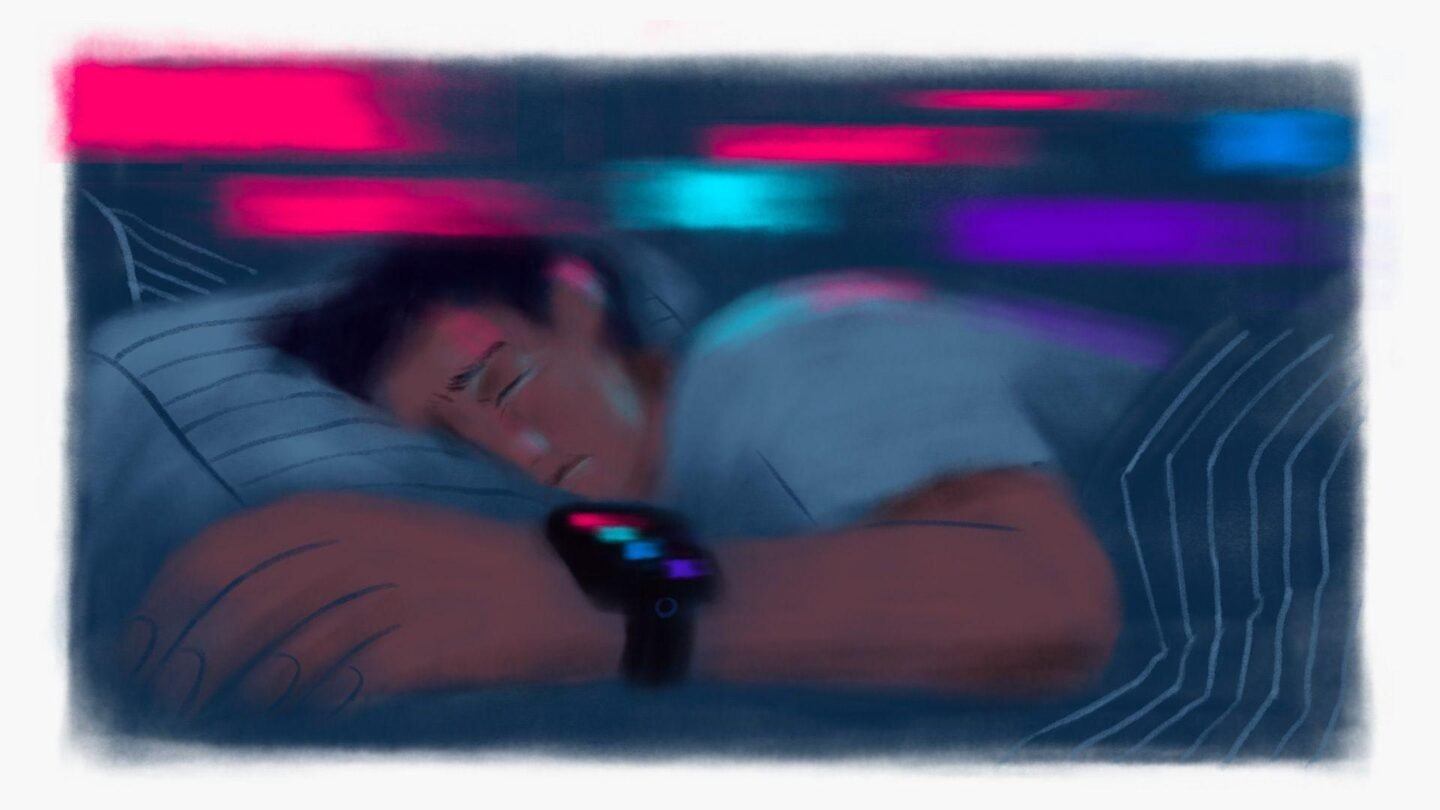
Take it too far, and you could end up with "orthosomnia" – the clinical term for an obsession with achieving perfect sleep.While it's not formally recognised as a condition in the UK, doctors tell the BBC they've noticed signs of orthosomnia in their patients, with some bringing their sleep tracker data into appointments convinced, wrongly, that they have a sleep disorder.That fixation is actually making people's sleep worse, they warn.So….
And if sleepmaxxing isn't the answer, what is the elusive secret to a good night's sleep?The first commercial fitness tracker to incorporate sleep analysis was the Fitbit Classic in 2009.Since then, many others – including Garmin, Whoop and Apple – have integrated sleep trackers into wrist-worn devices, as have smart rings such as Oura, Ultrahuman and RingConn.These devices vary, but in general they all provide users with a report of….
Many also give users a "sleep score".But the concept of a sleep score is "completely made up", according to Dr Alanna Hare, consultant of sleep medicine at the Royal Brompton Hospital in London."There's nothing recognised in sleep science that is a 'sleep score'," she tells the BBC.
"That's just been created by manufacturers."Hare says she's noticed trackers causing anxiety among her patients."I've noticed more patients coming to me with data from various trackers, with lots of questions about sleep that… is probably contributing to their sleep difficulties," she says.Even though some have had medical tests with reassuring results, this hasn't allayed their fears, she adds."It's great that there's more focus on sleep as part of wellness," she….
"But sleep just does not respond well to attempts to perfect it."One proposed lawsuit against Oura, filed last month in San Francisco, alleges that Oura rings are unable to accurately measure sleep quality and sleep stages, and instead rely on AI-generated estimates that have "a coin flip's chance of being correct".In response, Oura told the BBC that it "stand[s] behind our science, research and accuracy claims"."We're committed to clearly communicating….
If I'd slept really well, I'd be convinced I'd have to be on top – even though I was tired, I was pushing through things."Jess Hill was "obsessed" with her Garmin's sleep scores for about three yearsHer "obsession", as she describes it, with getting a high sleep score lasted three years, until earlier this year, when she started to notice the watch wasn't reflecting how she'd actually slept."I was awake….
"So you get into this cycle of worrying about your quality of sleep or the quantity of sleep based on figures."He says he carried out research into actigraphy – wrist-worn sleep trackers – around 40 years ago.Though commercial trackers now are a bit more sophisticated, they work in much the same way – by measuring your movement – and have the same limitations, he says."If you want to measure sleep,….
"Unless you're measuring the brain's activities, you're not measuring sleep."Keeping your bedroom cool, dark and quiet – within reason.
"That doesn't mean it needs to be pitch black, exactly 16C or totally silent," she says.
"It should be coolish, darkish and quietish."Seeing bright light in the morning, which is good for regulating your circadian rhythm – that is, your body's natural clock.Doing light exercise, and eating a "healthy, Mediterranean-style diet with plenty of plant variability".Above all, keeping it simple – "anything else, you don't need it".
The things you're doing to make your sleep better could actually be making your sleep worse.





Comments & Discussion
Join a respectful, on-topic conversation. Personal attacks, hate speech and spam may be removed.