


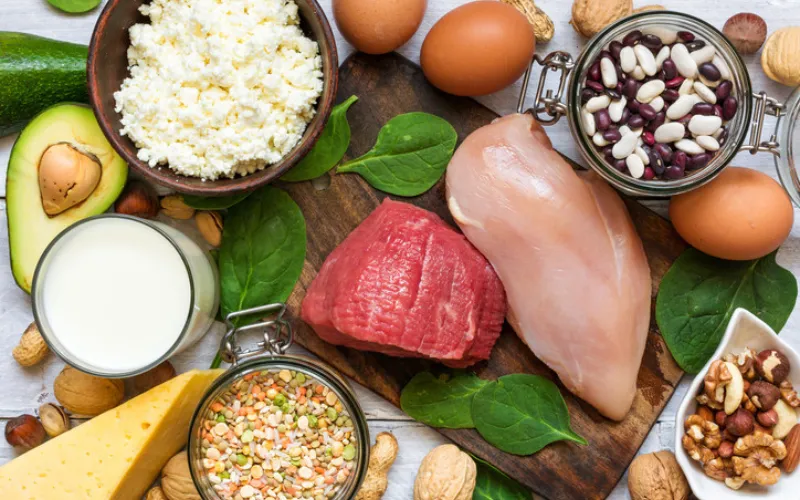
A recent research review has highlighted a possible downside of consuming too much protein, especially for people with sedentary lifestyles.
The review, published in Cell Press Blue, found that reducing protein intake instead of increasing it may help slow the aging process and potentially support a longer lifespan. While high-protein diets combined with strength training can help prevent age-related muscle loss, consuming too much protein without regular exercise may have the opposite effect.
According to the study, people who eat a high-protein diet while remaining physically inactive may face a higher risk of insulin resistance, increased fat accumulation and DNA damage caused by unstable chemicals produced during protein digestion.
Researchers also found that this combination may increase the risk of health problems such as cancer, heart disease and diabetes while potentially reducing lifespan.
The study was led by Professor Dudley Lamming and Dr. Wilbert Vermeij. Lamming, the review’s corresponding author at the University of Wisconsin-Madison, said many people are relatively inactive and may already be consuming more protein than their bodies actually need. He noted that this could have negative effects on health.
For most people, eating a predominantly protein diet makes no sense from a longevity perspective https://t.co/uXLY34KEMW
— David Sinclair (@davidasinclair) August 1, 2026
The findings also challenge some common weight-loss advice. Laboratory studies suggest that consuming less protein can increase the production of a hormone called fibroblast growth factor 21, or FGF21. This hormone can change how the body uses energy and help it burn fat and calories more efficiently.
When extra protein is consumed, the body has to process and use it in some way. According to Lamming, if a person exercises, the additional protein can help build healthy muscle. However, if someone is inactive, excess protein may have harmful effects and can contribute to weight gain when it is not properly utilized.
Researchers also pointed out that the type of protein matters. Consuming too much leucine, valine and isoleucine, which are commonly found in foods such as red meat, chicken, soy and tofu, can activate growth-related pathways in the body. These pathways may reduce cellular repair and increase inflammation.
To maintain a healthier balance, researchers recommend that inactive people aim for around 15 grams of protein per meal rather than regularly consuming 30 grams or more at a time.
After age 50, people can also consider moving their diet closer to an equal balance of animal- and plant-based protein instead of relying heavily on animal sources. Foods such as beans, lentils, chickpeas, nuts, seeds and oats can provide useful plant-based protein.
Staying properly hydrated is also important, with a recommendation to drink at least nine glass of water each day.
