
 Pakistan · World · Independent Digital Newsroom
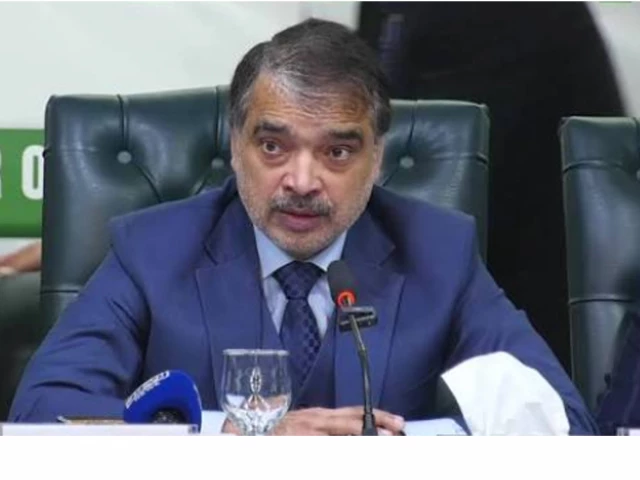
"These zones were designed to be the backbone of our industrial and export growth, but bureaucratic delays, energy shortages and inconsistent policies have kept them from realising that potential," Ghaznavi said.
"What we need now is a long-term, unwavering commitment from the state, not another temporary incentive package that gets rolled back in two years."Industry leaders argue that tax incentives, while important, should not be treated as blanket exemptions.
Instead, they want relief tied directly to measurable outcomes such as fresh investment inflows, export volumes, job creation and local value addition, a shift they say would make the incentive regime both fiscally sustainable and more attractive to reform-minded lenders such as the International Monetary Fund.Pakistan's exports have hovered around $30 billion annually in recent years, trailing far behind regional peers despite a comparable industrial base.
India's SEZs alone account for exports worth well over $185 billion this fiscal year, while Bangladesh's export processing zones have helped its garment sector become a global powerhouse, contributing more than 80% of the country's total export earnings.PIAF leaders point to that gap as evidence of what effective zone management, reliable utilities and streamlined customs procedures can achieve when paired with consistent government backing.Business owners operating within Pakistan's zones have….
The PIAF leadership argues that a genuine one-window operation, where investors can secure permits, utility connections and regulatory clearances through a single authority, would remove one of the biggest deterrents to setting up new industrial units.An exporter with operations inside one of Punjab's industrial zones, speaking on condition of anonymity, described the frustration many businesses face.
"We were promised uninterrupted power and fast-track customs clearance when we set up our business here," the exporter said.
"Instead, we spend more time chasing paperwork than actually producing.
If the government wants investment, it needs to make the system work, not just announce new tax breaks every budget cycle."Different businessmen and groups are now pressing the government to treat SEZ and EPZ reforms as a long-term national priority rather than a bargaining chip in periodic fiscal negotiations.
They argue that predictability, not generosity, is what ultimately drives investment decisions and that investors, both local and foreign, need assurance that today's incentive framework will hold five or ten years from now.
SEZs sit idle as business leaders demand overhaul Updated 20 minutes ago Without predictable policy framework, Pakistan risks losing investments of billions of dollars.




Comments & Discussion
Join a respectful, on-topic conversation. Personal attacks, hate speech and spam may be removed.