 Pakistan · World · Independent Digital Newsroom
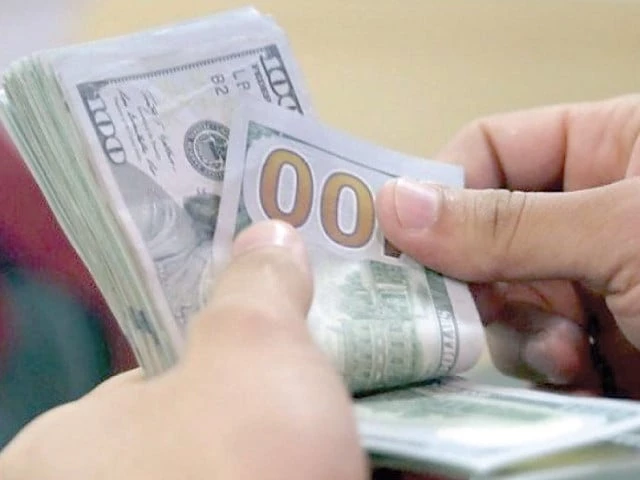
During July to October, remittances increased 14% to $14.77 billion, against $12.96 billion in the corresponding period last year.JS Global Head of Equity Research and Senior Vice President Waqas Ghani said, "Overseas Pakistanis just covered almost the entire trade deficit, again." He pointed out that remittances of $14.8 billion during the first four months compared with a merchandise trade deficit of $14.6 billion, which had widened 16% year-on-year.Sustained inflows, particularly….
He added that channel checks indicated economic activity in the Gulf was also recovering, reinforcing the resilience of remittance flows from GCC economies and providing continued support to the external account.
"Remittances are buying Pakistan time.
The question is whether exports can catch up or nah," he remarked.Country-wise data showed Saudi Arabia and the United Arab Emirates remained the largest sources, contributing $3.67 billion and $3.05 billion respectively during July to October.Together, the two accounted for around 45.5% of total inflows.
Including other GCC countries, the region contributed approximately $8.09 billion, or 54.8% of the total.Saudi Arabia's remittances increased 16.5% year-on-year, while inflows from the UAE grew 13.5%.
Among other GCC economies, Bahrain recorded growth of 15.8%, Kuwait 13.9% and Qatar 13.6%.
Within the UAE, Dubai remained the dominant contributor, with remittances rising 28% to $2.51 billion.
Inflows from Abu Dhabi, by contrast, declined 29.5% to $443.2 million, indicating diverging trends within the country's major corridors.Outside the Gulf, the United Kingdom emerged as the largest source, sending $2.23 billion during the first four months, up 19.2% from a year earlier.Inflows from the United States increased 13.8% to $1.26 billion, while remittances from European Union countries rose 9.6% to $1.87 billion.Italy contributed $565.2 million, Spain $339.9 million and….
The figures indicate that while the Gulf remains the backbone of remittance inflows, overseas Pakistanis in the UK, Europe, North America and Australia continue to provide an important source of foreign exchange.Sustained growth offers some relief to the external financing position, though the widening trade deficit underscores the need to strengthen export earnings and reduce reliance on overseas transfers to finance external payments.
The rupee continued its marginal appreciation against the US dollar in the interbank market on Tuesday, closing at Rs276.65, up Rs0.01 from the previous session.
It had gained 0.03%, or Re0.09, last week to settle at Rs276.66, against Rs276.75 a week earlier, according to SBP data.Gold prices declined on Tuesday, tracking losses in the international market, with 24-karat gold falling Rs1,500 per tola to Rs430,836.The price of 10-gram gold dropped Rs1,286 to Rs369,372, according to rates released by the All-Pakistan Gems and Jewellers Sarafa Association (APGJSA).
In the previous session, gold had increased Rs3,200 per tola to Rs432,336.In the international market, gold fell $15 to $4,083 per ounce, while silver remained unchanged at Rs5,723 per tola in the local market.