 Pakistan · World · Independent Digital Newsroom
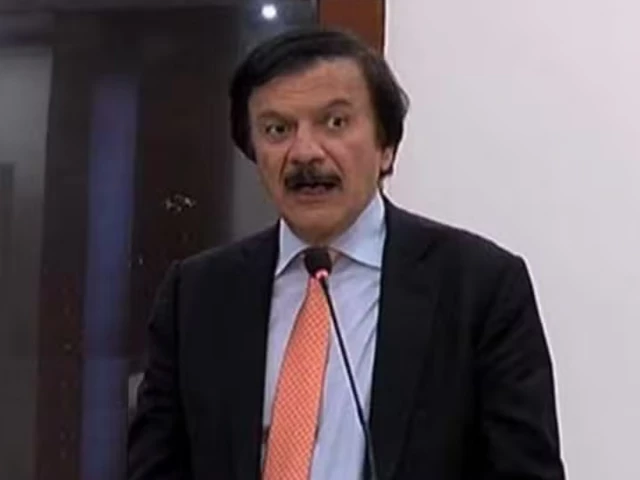
"The country must now expand this position further."He expressed these views while addressing a ceremony organised by the All Pakistan Textile Processing Mills Association.
Haroon Akhtar said Pakistan needed to produce more, produce better and sell more to the world, adding that the country's economic direction should be based on production, exports and private-sector-led growth.He said the foundation of the National Industrial Policy was being laid on production, investment, productivity and exports.
The government's role was not to run businesses but to create an environment in which businesses could succeed.
The government would remove regulatory barriers and enable entrepreneurs to focus on investment, production and employment, he added.Haroon Akhtar said steps were being taken to rationalise tariffs and eliminate unnecessary regulations, while a regulatory guillotine was being used to remove redundant laws and regulations affecting businesses.
He said entrepreneurs should focus on investment, innovation and exports instead of permits and complicated procedures.The textile industry would have to compete globally not only through lower costs but also on the basis of quality, technology, design and sustainability, he said.
Pakistan also needed to rapidly shift from exporting raw materials towards finished and value-added products.
According to him, Pakistan must create its own brands instead of remaining merely a supplier to global brands.
"Pakistan has a complete and integrated textile ecosystem.
The real challenge is to create greater value from it," he said.He stressed the need for investment in modern machinery, technology, skilled human resources and research in Pakistan's textile industry.
Competitive energy prices, taxes, refunds, financing and trade facilitation were among the major issues facing the industry, he added.Haroon Akhtar said investment went where there was confidence and investment took place where there was policy continuity.
Businesses needed the assurance that the basic principles of policies would not be changed repeatedly.The government could establish a framework and open the doors to markets, but the industry had to take advantage of these opportunities, he said.
Pakistan needed to move towards industrial transformation through cooperation between the government and industry, he added.Changes in global supply chains were creating not only challenges but also new opportunities for Pakistan.
Global buyers now valued quality, sustainability, traceability and speed, in addition to price, he said.The adviser added that Pakistan's next textile revolution should be based on productivity, technology and value addition.