


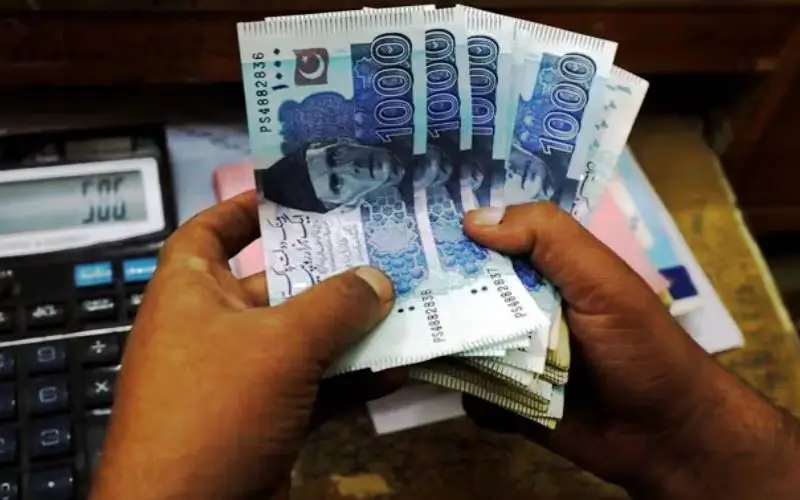
ISLAMABAD: Pakistan’s gross domestic savings rate has collapsed to 6.4% of GDP, down from 17.4% in 1992, forcing the country into a cycle of high consumption, inflation-driven erosion of household wealth, and growing reliance on foreign financing, according to a policy blueprint released by the Pakistan Institute of Development Economics.
The report, “Mobilizing Domestic Savings: A Finance Bill and Institutional Reform Agenda for Pakistan,” argues that the upcoming Finance Bill FY2026-27 must treat savings as a macro-fiscal priority rather than a matter of household behavior alone. It proposes a National Savings Mobilization Package centered on capped tax incentives, long-term instruments, digital and Islamic savings products, pension reform, and guaranteed positive real returns.
“Pakistan’s budget strategy usually relies on taxation and borrowing,” the report states. “However, it does not emphasize a durable financing framework, which requires mobilizing domestic savings, redirecting informal savings toward formal instruments, and reducing public-sector dissaving.”
The decline has made Pakistan a regional outlier. Between 1992 and 2024, Bangladesh averaged gross national savings of 20.7% of GDP, India 28.4% and Vietnam 30%, while Pakistan averaged just 10.9%.
The report identifies an “inflation-consumption trap” as a key driver. Repeated cost-push shocks and high inflation erode real returns on formal savings, pushing households into gold, property, cash and informal arrangements. Public-sector dissaving worsens the problem, as large government borrowing absorbs domestic financial resources that could otherwise fund private investment.
To reverse the trend, the Finance Bill should restore a redesigned long-term savings tax credit under Section 62 of the Income Tax Ordinance, 2001, a provision omitted in the Finance Act 2022. The credit would apply to mutual funds, exchange-traded funds, retail Sukuk and other approved instruments.
The report also recommends strengthening the voluntary pension tax credit under Section 63, reintroducing a health and protection savings credit, and creating lower final tax rates for small long-term savers subject to minimum holding periods.
Vulnerable groups, including pensioners, widows, families of Shuhada, women and first-time savers, would receive targeted concessions. The proposal cautions against withholding taxes on transfers into approved savings instruments, warning that such taxes “have discouraged formal financial activity” and encouraged cash preference.
Implementation would be tracked through a Savings Mobilization Dashboard covering savings rates, formal uptake, pension participation, retail Sukuk investment and private sector credit.
Without action, the report warns, Pakistan will remain dependent on external financing. “Sustainably high economic growth requires optimal taxation and long-overdue structural reforms,” it concludes. “Another more important immediate action is to introduce the National Savings Mobilization package.”
