

Close Menu

    Subscribe to Updates

    Get the latest creative news from FooBar about art, design and business.

    What's Hot

    Christopher Lambert health update after ‘Highlander’ star rushed to hospital

    August 9, 2026

    Germany warns of ‘daily hybrid warfare’ after explosive-laden drone found | Russia-Ukraine war News

    August 9, 2026

    ‘The Simpsons’ lead predicts when the show could end

    August 9, 2026
    Facebook X (Twitter) Instagram
    • Home
    • Politics
    • News
    • Magazines
    Facebook X (Twitter) Instagram
    Login
    22Media22Media
    Subscribe
    • Home
    • News
      • Pakistan News
      • World News
      • Amazing News
      • Only On 22
    • Sports
    • Bussiness
    • Innovation
      • Health & Sciences
      • Technology
    • Culture
      • Crime & Justice
      • Entertainment
    • Politics
    • Magazines
    • Weather
    • Video
    • Live
    22Media22Media
    Home»Innovation»Health & Sciences»Microplastics detected in almost every seafood sample: study
    Health & Sciences

    Microplastics detected in almost every seafood sample: study

    22febdm@gmail.comBy 22febdm@gmail.comFebruary 3, 2025No Comments3 Mins Read
    Facebook Twitter Pinterest LinkedIn Tumblr Email
    Share
    Facebook Twitter LinkedIn Pinterest Email

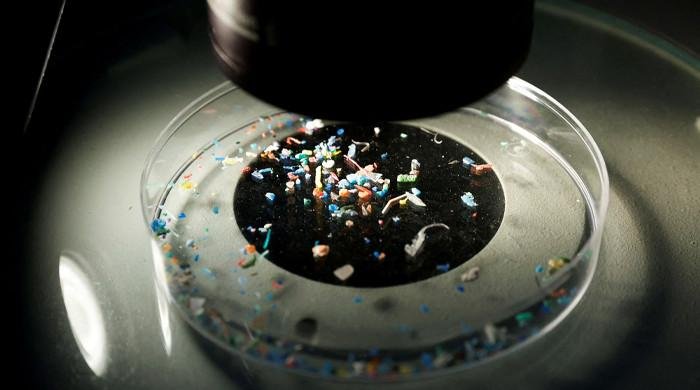
    Marine scientist Anna Sanchez Vidal shows microplastics collected from the sea with a microscope at Barcelonas University, during a research project Surfing for Science to assess contamination by microplastics on the coastline, in Barcelona, Spain, July 5, 2022. — Reuters
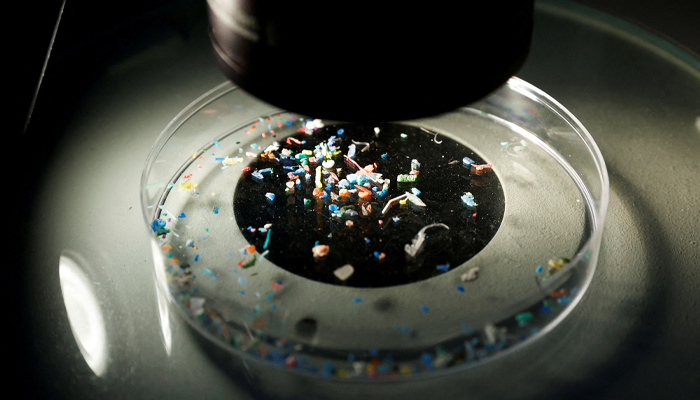
    Marine scientist Anna Sanchez Vidal shows microplastics collected from the sea with a microscope at Barcelona’s University, during a research project “Surfing for Science” to assess contamination by microplastics on the coastline, in Barcelona, Spain, July 5, 2022. — Reuters

    A recent study has found widespread microplastic contamination in sampled seafood adding to growing evidence of the dangerous substances’ presence in the food and an increasing threat to human health.

    According to The Guardian, the peer-reviewed study found microplastics in 99% or 180 out of 182 samples of seafood bought at the store or from a fishing boat in Oregon with the researchers finding the highest levels of the harmful substance in shrimp.

    The researchers were also able to determine the most common type of microplastic and they were fibres from clothing or textiles, representing a whopping 80% of the substance they detected.

    A Portland State University microplastics researcher and study co-author, Elise Granek, says the findings underline a serious problem with plastic use at its current scale.

    “As long as we’re using plastic as a major component in our daily lives and we’re using it in a widespread fashion, then we’re going to see them in our food, too,” Granek said.

    Researchers have detected microplastics in water samples around the world and food is believed to be a main exposure pathway. Recent studies discovered them in all meat and produce products that were tested in the research.

    Microplastic pollution can contain any number of 16,000 plastic chemicals

    There are over 16,000 plastic chemicals and microplastic pollution can contain any number of chemicals such as PFAS, bisphenol and phthalates.

    These chemicals are linked to cancer, neurotoxicity, hormone disruption or developmental toxicity. The harmful substance can cross the brain and placental barriers. People who have the chemicals in their heart tissues are twice as likely to have a heart attack or stroke.

    This study sampled five types of fin fish and pink shrimp as well. They found that microplastics can travel from gills or mouths to meat that humans consume.

    Lingcod purchased from the store showed higher levels of microplastic presence because it is more processed than that which was bought directly from a boat. Still, the levels were slightly higher but not significantly more.

    The study authors, however, do not recommend avoiding seafood because microplastics have been widely found in meat and produce so changing what you eat will not result in a greater impact but rinsing what you eat could reduce microplastics presence in the food. 

    Share. Facebook Twitter Pinterest LinkedIn Tumblr Email
    22febdm@gmail.com
    • Website

    Related Posts

    Australia confirms first mass death of seabirds from H5N1 bird flu

    August 3, 2026

    Health experts urge Pakistan to conduct first nationwide HIV survey

    July 28, 2026

    Finance minister-led committe approves prices of 52 life-saving drugs

    July 25, 2026
    Add A Comment
    Leave A Reply Cancel Reply

    Demo
    Our Picks
    • Facebook
    • Twitter
    • Pinterest
    • Instagram
    • YouTube
    • Vimeo
    Don't Miss
    Entertainment

    Christopher Lambert health update after ‘Highlander’ star rushed to hospital

    By 22febdm@gmail.comAugust 9, 20260

    The ‘Mortal Kombat’ alum’s rep says Lambert is ‘perfectly ok’ Highlander star Christopher Lambert is recovering…

    Germany warns of ‘daily hybrid warfare’ after explosive-laden drone found | Russia-Ukraine war News

    August 9, 2026

    ‘The Simpsons’ lead predicts when the show could end

    August 9, 2026

    Palestinians say Netanyahu’s decision leaves ‘no clear path’ to peace | Gaza News

    August 9, 2026

    Subscribe to Updates

    Get the latest creative news from SmartMag about art & design.

    22Media
    Facebook Instagram YouTube WhatsApp
    • Home
    • Politics
    • News
    • Magazines
    © 2026 22Media. Designed by AleemSoft Hub.

    Type above and press Enter to search. Press Esc to cancel.

    Sign In or Register

    Welcome Back!

    Login to your account below.

    Lost password?