

Close Menu

    Subscribe to Updates

    Get the latest creative news from FooBar about art, design and business.

    What's Hot

    ‘Building the Band’ stars pay tribute to late One Direction star Liam Payne

    September 12, 2026

    India’s Modi calls for empowerment of Global South at BRICS Summit | Narendra Modi

    September 12, 2026

    Pakistan slams drone attacks on Saudi oil pipeline, reaffirms support for sovereignty

    September 12, 2026
    Facebook X (Twitter) Instagram
    • Home
    • Politics
    • News
    • Magazines
    Facebook X (Twitter) Instagram
    Login
    22Media22Media
    Subscribe
    • Home
    • News
      • Pakistan News
      • World News
      • Amazing News
      • Only On 22
    • Sports
    • Bussiness
    • Innovation
      • Health & Sciences
      • Technology
    • Culture
      • Crime & Justice
      • Entertainment
    • Politics
    • Magazines
    • Weather
    • Video
    • Live
    22Media22Media
    Home»News»Amazing News»Meet resilient ‘living fossil’ older than dinosaurs, nuclear blast survivor
    Amazing News

    Meet resilient ‘living fossil’ older than dinosaurs, nuclear blast survivor

    22febdm@gmail.comBy 22febdm@gmail.comJanuary 5, 2025No Comments3 Mins Read
    Facebook Twitter Pinterest LinkedIn Tumblr Email
    Share
    Facebook Twitter LinkedIn Pinterest Email

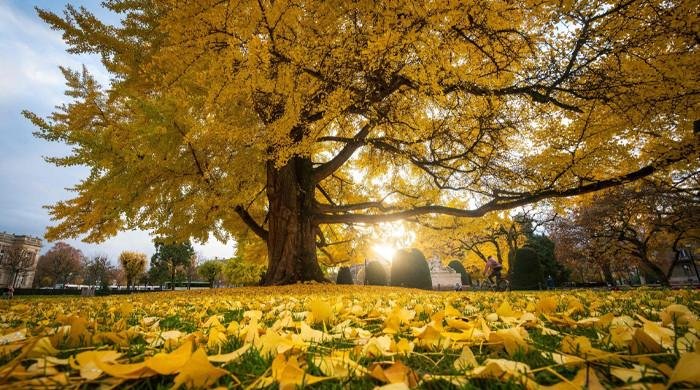
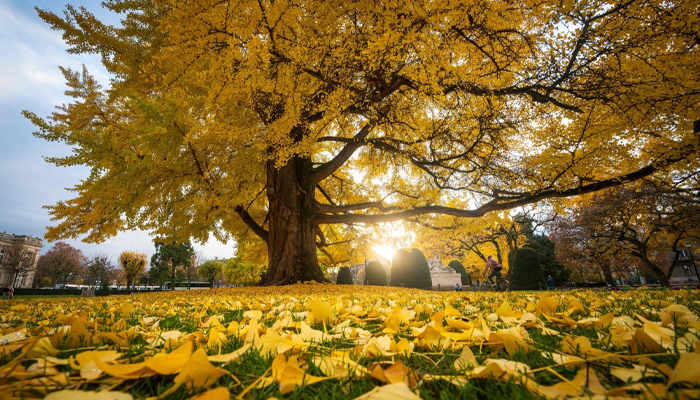
    A Gingko biloba tree on a central square in Strasbourg, eastern France, November 25, 2022. — AFP
    A Gingko biloba tree on a central square in Strasbourg, eastern France, November 25, 2022. — AFP

    In the first three seconds after the nuclear bomb “Little Boy” was dropped over Hiroshima by the Allied powers in 1945, temperatures spiked to 7,000°F from ground zero to as far as two miles.

    Any form of life within the radius of the detonation succumbed to their deaths instantly. Even buildings melted and the city turned to ash as the fire roared in Hiroshima, according to Forbes. 

    What survived the blast, however, is a resilient story of six Ginkgo biloba trees growing just about a mile away from the centre of the explosion. For them, it was just another thing to overcome and continue living.

    Despite being stripped of leaves and charred branches due to the explosion, the six trees came back to life within months.

    The trees, also known as “living fossils,” have weathered the ice age, mass extinctions, and thousands of environmental changes the Earth has experienced.
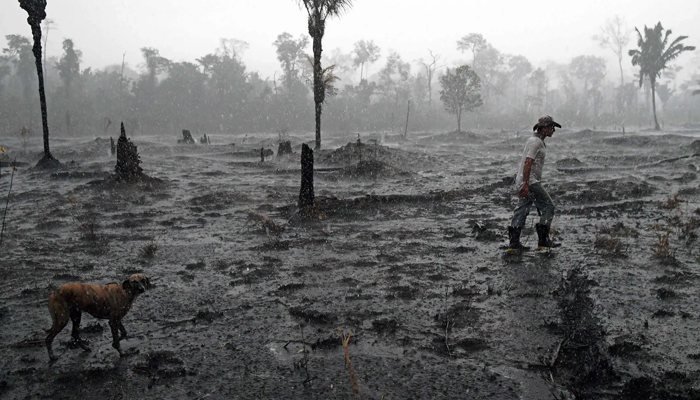
    A farmer walked through a burned area of Amazon rainforest near Porto Velho, Brazil, 2019. — AFP
    A farmer walked through a burned area of Amazon rainforest near Porto Velho, Brazil, 2019. — AFP

    The reason for calling Ginkgo biloba a living fossil is that the trees date back over 290 million years to the Permian period and have withstood mass extinctions, according to National Geographic. 

    It was a mass extinction event so bad that it left 96% of all marine species and about three of every four species on land dead, the forests were wiped out and didn’t spring back to life until 10 million years later.

    Of the five mass extinctions, the Permian-Triassic is the only one that left large numbers of insect species extinct. The evolution was so severe that it took four to eight million years for the marine ecosystems to recover.
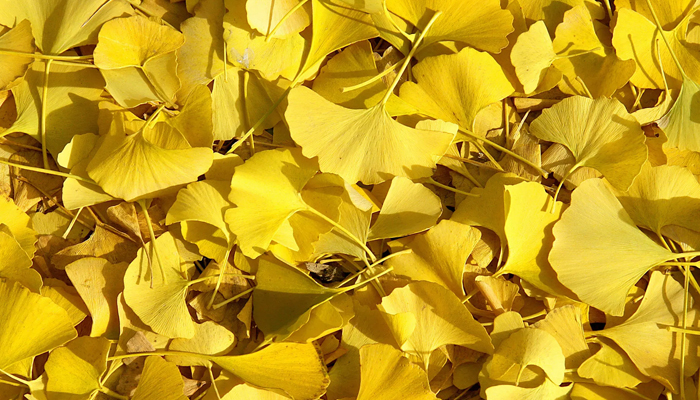
    The Ginkgo bilobas fan shaped leaves laying on the ground. — AFP/File
    The Ginkgo biloba’s fan shaped leaves laying on the ground. — AFP/File

    This period even predates the time when dinosaurs roamed the Earth. The Ginkgo biloba survived and remained the same over millennia with the fan-shaped structure of the leaves.

    They thrived across Laurasia — the northern subcontinent — for millions of years until the Cretaceous-Paleogene extinction that wiped out the dinosaurs.

    Many species were wiped out, but the Ginkgos remained strong. By the end of the Pleistocene, they were isolated to populations in China. They could have faced extinction, but they were saved due to their resilience, and surprisingly, humanity helped them tackle the challenge.

    The living fossils were thought to be extinct in the wild until the early 20th century but they were found to be thriving when small populations were rediscovered in remote China.

    Researchers have come to speculate that they were preserved by Buddhist monks.

    Today, Ginkgos are spread widely on city streets, parks and several other places all over the world. They are resistant to pollution, pests and harsh weather that harbours in urban life. 

    Share. Facebook Twitter Pinterest LinkedIn Tumblr Email
    22febdm@gmail.com
    • Website

    Related Posts

    WATCH: Nepali woman found alive days after family began mourning rites

    September 7, 2026

    Star Wars creator George Lucas unveils art galaxy at his new LA museum

    September 3, 2026

    ‘Nothing could stop their union’: Philippine couple married in hip-deep floodwaters

    September 2, 2026
    Add A Comment
    Leave A Reply Cancel Reply

    Demo
    Our Picks
    • Facebook
    • Twitter
    • Pinterest
    • Instagram
    • YouTube
    • Vimeo
    Don't Miss
    Entertainment

    ‘Building the Band’ stars pay tribute to late One Direction star Liam Payne

    By 22febdm@gmail.comSeptember 12, 20260

    ‘Building the Band’ stars pay tribute to late One Direction star Liam PayneLiam Payne’s connection…

    India’s Modi calls for empowerment of Global South at BRICS Summit | Narendra Modi

    September 12, 2026

    Pakistan slams drone attacks on Saudi oil pipeline, reaffirms support for sovereignty

    September 12, 2026

    Kim Kardashian sends Chris Appleton white roses with sweet ‘Strictly’ message

    September 12, 2026

    Subscribe to Updates

    Get the latest creative news from SmartMag about art & design.

    22Media
    Facebook Instagram YouTube WhatsApp
    • Home
    • Politics
    • News
    • Magazines
    © 2026 22Media. Designed by AleemSoft Hub.

    Type above and press Enter to search. Press Esc to cancel.

    Sign In or Register

    Welcome Back!

    Login to your account below.

    Lost password?