


Striking the right balance between getting enough vitamin D and protecting yourself from skin cancer has become a modern health dilemma. Although sunlight remains the most natural and efficient source of vitamin D, it also carries well-documented risks—especially when exposure is excessive or unprotected. As lifestyles shift indoors and screen time increases, experts warn that vitamin D deficiency is becoming increasingly common, making informed sun habits more important than ever.
Mediclinic Chief Medical Officer Dr. Darren Green notes that vitamin D plays several critical roles in the body: maintaining strong bones, regulating immune responses, and supporting healthy muscle function. “Vitamin D is foundational to overall health,” he explains. “But how we obtain it—particularly through sunlight—requires careful consideration.”
Why Vitamin D Matters More Than You Think
Vitamin D is unique among nutrients because the body can manufacture it on its own. When ultraviolet B (UVB) rays from the sun strike the skin, they trigger a chemical process that allows the body to synthesize vitamin D. From there, the liver and kidneys convert it into its active form, which the body uses to regulate calcium levels, repair bone tissue, and modulate immune activity.
Deficiency can be surprisingly subtle, but its consequences can be profound. Low vitamin D levels are associated with weakened bones, frequent infections, fatigue, low mood, and muscle weakness. Over the long term, severe deficiency can contribute to osteoporosis or rickets.
Dr. Green emphasizes that people who lead sedentary lifestyles, spend long hours indoors, or struggle with weight are particularly vulnerable. “Not getting sun exposure, being on our devices, being inactive, and being indoors for a large part of the day all contribute to low vitamin D,” he says. Excessive alcohol use can further disrupt vitamin D metabolism because it affects the liver and kidneys—two organs essential to processing the nutrient.
The Challenge: Sunlight vs. Skin Cancer
The main hazard in relying on sunlight for vitamin D is the increased risk of skin cancer, particularly when exposure is prolonged, unprotected, or occurs during periods of high UV intensity. Skin cancer—including melanoma and non-melanoma types—remains one of the most common cancers worldwide.
The good news: getting vitamin D from the sun does not require hours of tanning or burning. Short, strategic exposure periods are enough.
How Much Sun Is Enough?
Based on current research and clinical practice, Dr. Green recommends a modest daily dose of sunlight: 10 to 15 minutes of midday exposure—specifically between 12:00 p.m. and 1:30 p.m.
This advice often surprises people because midday is typically considered the most dangerous time to be in the sun. But the recommendation is rooted in how UVB rays reach the earth.
“The UVB rays, the angle at which those rays strike the earth, is important,” Green explains. “When the sun is high in the sky, you need far less exposure to activate vitamin D synthesis. Just 10 to 15 minutes can be sufficient.”
In other words, you get more vitamin D in less time when the sun is directly overhead. Beyond the recommended window, staying outdoors for much longer can increase your risk of skin damage without significantly boosting vitamin D production—your body naturally limits how much it can make each day.
Smart Ways to Get Sun Safely

If incorporated thoughtfully, sunlight can be both safe and beneficial. Here are practical tips for reaping the advantages while reducing skin-cancer risks:
1. Limit exposure time.
Keep it brief—short bursts of sunlight are enough. Avoid prolonged exposure that leads to redness or tanning, which are signs of skin injury.
2. Do not skip sunscreen the rest of the day.
During your 10–15 minute vitamin D session, it’s acceptable to expose your arms or legs without sunscreen. But once you’ve had your daily dose, apply broad-spectrum SPF 30–50 if you remain outdoors.
3. Know your skin type.
Fairer skin synthesizes vitamin D more quickly and burns faster. Darker skin may need slightly longer exposure, but still within safe limits.
4. Avoid sunburn at all costs.
Burning even once dramatically increases your lifetime melanoma risk.
5. Choose open areas.
Glass blocks UVB rays, meaning sun exposure through a window will not help you produce vitamin D.
Beyond Sunshine: Dietary Sources of Vitamin D
Although sunlight is the most efficient way to make vitamin D, food sources can supplement your intake—especially in winter months or for individuals who cannot safely be in the sun.
Foods naturally rich in vitamin D include:
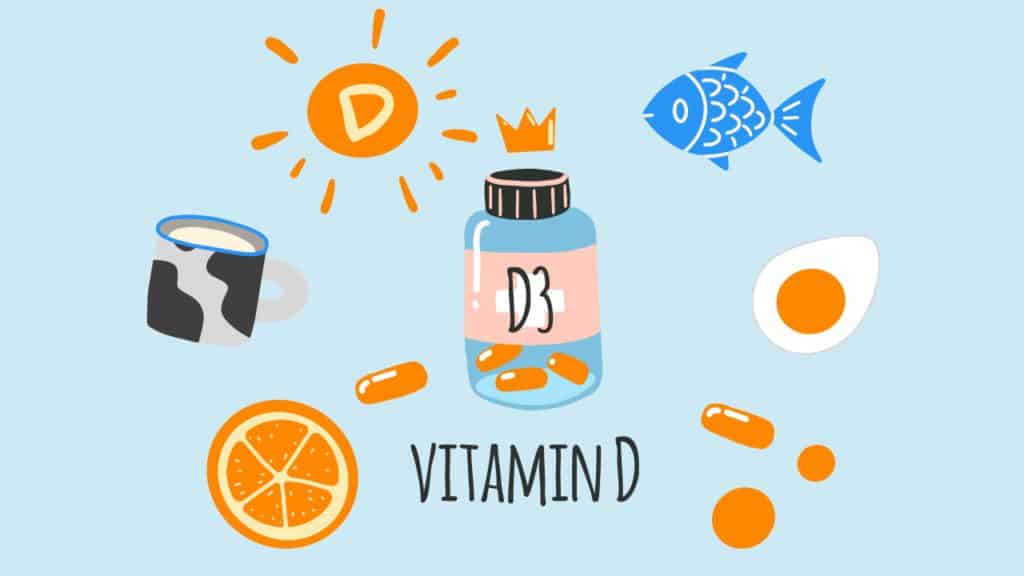
Fatty fish such as salmon, mackerel, and sardines
Egg yolks
Beef liver
Fortified dairy products
Fortified cereals and plant-based milks
Cod liver oil
While diet alone rarely provides enough vitamin D for most adults, it can help maintain adequate levels when combined with safe sun exposure.
The Role of Supplements
Vitamin D supplements offer a reliable alternative for people at high risk of deficiency or those unable to spend time outdoors. These include individuals with:
Very dark skin
Autoimmune illnesses
Digestive or kidney disorders
Limited mobility
Strict sun-avoidance due to skin-cancer history
Dr. Green stresses that supplements should be taken under guidance. “Vitamin D intake can be increased with supplements,” he notes, “but your healthcare provider will suggest them to you.”
Excessive supplementation can be harmful, as vitamin D is fat-soluble and can accumulate to toxic levels—although this is rare. A healthcare professional can assess your levels with a simple blood test and recommend the appropriate dosage.
Lifestyle Matters Too
It’s not just sunlight and diet that influence vitamin D status. Sedentary habits, screen time, and indoor lifestyles create a modern environment where deficiency is common. Building small habits walking outdoors, taking breaks in natural light, or doing outdoor exercise can help regulate vitamin D levels while also benefiting overall health.
Meanwhile, reducing excessive alcohol intake supports the liver and kidneys, ensuring the body can properly activate the vitamin D it receives.
Finding the Balance
Getting enough vitamin D does not require baking in the sun or risking long-term skin damage. Instead, it involves understanding your body’s needs, embracing brief but deliberate sunlight exposure, and supplementing through diet or vitamins when appropriate.
A few mindful changes stepping outdoors for a 10-minute midday walk, enjoying vitamin-rich foods, speaking with your healthcare provider can make all the difference. With a balanced approach, it’s entirely possible to maintain healthy vitamin D levels without increasing your risk of cancer.
