

Close Menu

    Subscribe to Updates

    Get the latest creative news from FooBar about art, design and business.

    What's Hot

    Ukraine’s ousted defence minister calls for elections during war | Russia-Ukraine war News

    August 19, 2026

    David Krumholtz is quitting acting after decades in Hollywood: ‘Fed up’

    August 19, 2026

    Jonas Brothers reignite ‘Burning Up’ era with 45-city tour

    August 19, 2026
    Facebook X (Twitter) Instagram
    • Home
    • Politics
    • News
    • Magazines
    Facebook X (Twitter) Instagram
    Login
    22Media22Media
    Subscribe
    • Home
    • News
      • Pakistan News
      • World News
      • Amazing News
      • Only On 22
    • Sports
    • Bussiness
    • Innovation
      • Health & Sciences
      • Technology
    • Culture
      • Crime & Justice
      • Entertainment
    • Politics
    • Magazines
    • Weather
    • Video
    • Live
    22Media22Media
    Home»Innovation»Technology»High blood sugar linked to increased risk of Alzheimer’s
    Technology

    High blood sugar linked to increased risk of Alzheimer’s

    22febdm@gmail.comBy 22febdm@gmail.comJanuary 18, 2026No Comments1 Min Read
    Facebook Twitter Pinterest LinkedIn Tumblr Email
    Share
    Facebook Twitter LinkedIn Pinterest Email

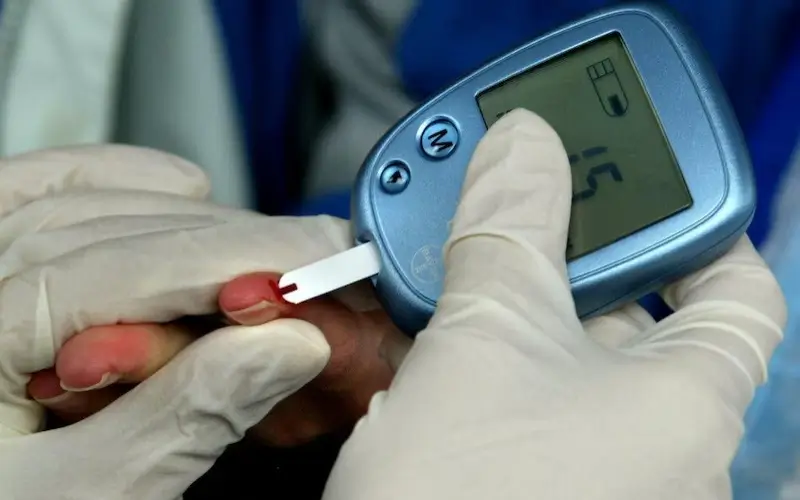
    A new study has revealed a potential connection between elevated blood sugar levels. A common sign of diabetes and prediabetes and an increased risk of developing Alzheimer’s disease later in life.

    Researchers at the University of Liverpool found that individuals whose blood sugar rises significantly after meals are more likely to develop Alzheimer’s in the future. Post-meal blood sugar spikes occur when glucose levels rise quickly and remain elevated for a prolonged period.

    The lead author of the study, Dr. Andrew Mason, noted that the findings could help guide strategies to prevent this condition. He emphasized that controlling blood sugar is important, particularly after meals, rather than focusing solely on fasting blood sugar levels.

    “These results highlight that managing postprandial glucose spikes could be crucial in reducing the risk of cognitive decline,” Dr. Mason said.

    The study adds to growing evidence linking metabolic health to brain health and underscores the importance of dietary and lifestyle interventions in reducing the risk of neurodegenerative diseases.

    Share. Facebook Twitter Pinterest LinkedIn Tumblr Email
    22febdm@gmail.com
    • Website

    Related Posts

    CDA moves to unlock Islamabad’s property revenue

    August 19, 2026

    Sirajuddin Aziz signs agreement for publication of memoirs

    August 18, 2026

    Federal govt raises petrol and diesel prices

    August 18, 2026
    Add A Comment
    Leave A Reply Cancel Reply

    Demo
    Our Picks
    • Facebook
    • Twitter
    • Pinterest
    • Instagram
    • YouTube
    • Vimeo
    Don't Miss
    World News

    Ukraine’s ousted defence minister calls for elections during war | Russia-Ukraine war News

    By 22febdm@gmail.comAugust 19, 20260

    Mykhailo Fedorov’s call is the first such demand by a major Ukrainian political figure since…

    David Krumholtz is quitting acting after decades in Hollywood: ‘Fed up’

    August 19, 2026

    Jonas Brothers reignite ‘Burning Up’ era with 45-city tour

    August 19, 2026

    CDA moves to unlock Islamabad’s property revenue

    August 19, 2026

    Subscribe to Updates

    Get the latest creative news from SmartMag about art & design.

    22Media
    Facebook Instagram YouTube WhatsApp
    • Home
    • Politics
    • News
    • Magazines
    © 2026 22Media. Designed by AleemSoft Hub.

    Type above and press Enter to search. Press Esc to cancel.

    Sign In or Register

    Welcome Back!

    Login to your account below.

    Lost password?