

Close Menu

    Subscribe to Updates

    Get the latest creative news from FooBar about art, design and business.

    What's Hot

    Field Marshal Asim Munir hosts reception for veterans, honors defense contributions

    August 15, 2026

    Trump threatens to declare Strait of Hormuz ‘territory’ of the United States

    August 15, 2026

    Morocco boosts Ceuta security amid calls for mass migrant crossing | Migration

    August 15, 2026
    Facebook X (Twitter) Instagram
    • Home
    • Politics
    • News
    • Magazines
    Facebook X (Twitter) Instagram
    Login
    22Media22Media
    Subscribe
    • Home
    • News
      • Pakistan News
      • World News
      • Amazing News
      • Only On 22
    • Sports
    • Bussiness
    • Innovation
      • Health & Sciences
      • Technology
    • Culture
      • Crime & Justice
      • Entertainment
    • Politics
    • Magazines
    • Weather
    • Video
    • Live
    22Media22Media
    Home»News»Pakistan News»Girls in Pakistan more likely to miss education as 28% children remain out of schools
    Pakistan News

    Girls in Pakistan more likely to miss education as 28% children remain out of schools

    22febdm@gmail.comBy 22febdm@gmail.comMarch 18, 2026No Comments3 Mins Read
    Facebook Twitter Pinterest LinkedIn Tumblr Email
    Share
    Facebook Twitter LinkedIn Pinterest Email

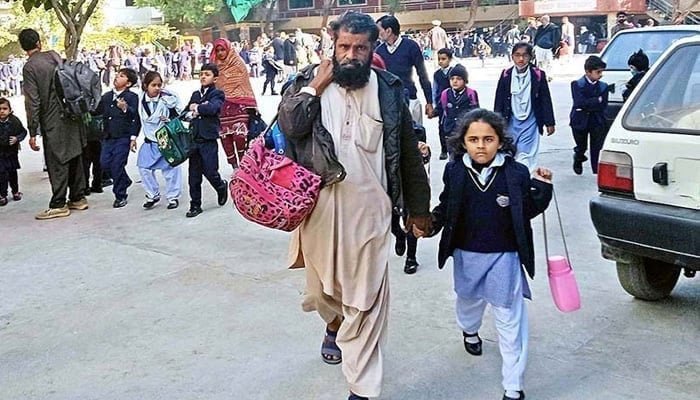
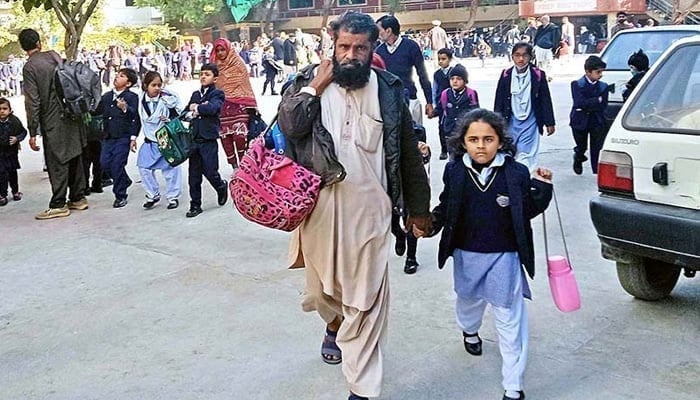
    Children are on the way to their school in Islamabad. — APP/File
    Children are on the way to their school in Islamabad. — APP/File
    • Survey provides detailed overview of country’s education landscape.
    • Urban literacy is recorded at 77%, compared to 56% in rural areas.
    • Education experts say the figures point to a broader structural issue.

    ISLAMABAD: A recent analysis by Gallup Pakistan, using national survey data, shows that almost 28% of Pakistani children aged 5 to 16 are not attending school, with girls disproportionately affected compared to boys, The News reported.

    The findings, drawn from the 2024-25 Pakistan Social and Living Standards Measurement Survey (PSLM) and the Household Integrated Economic Survey, reveal that 34% of girls are out of school compared to 22% of boys, highlighting persistent and deep-rooted gender disparities in access to education across the country.

    The analysis is based on data compiled by the Pakistan Bureau of Statistics and examined through Gallup Pakistan’s Digital Analytics Dashboard, providing a comprehensive overview of the country’s education landscape and its persistent inequalities.

    Geographical differences are also stark and continue to shape educational outcomes. In rural areas, 34% of children are out of school, nearly double the 18% recorded in urban centres. Analysts note that rural girls remain among the most affected groups, reflecting the combined and compounding impact of gender inequality and location-based disadvantage. Despite these challenges, overall access to education has expanded over time. 

    Nationally, 67% of individuals aged 10 and above have attended school at some point. However, disparities remain pronounced, with attendance rates reaching 78% for men compared to just 56% for women, and 81% in urban areas versus 61% in rural regions, indicating a clear divide in educational opportunities.

    Literacy rates follow a similar pattern of inequality. The national literacy rate stands at 63%, but rises to 73% for men while dropping to 52% for women. Urban literacy is recorded at 77%, compared to 56% in rural areas. Provincial variations are also significant, with literacy reaching 66% in Punjab and falling to 43% in Balochistan.

    The data further highlights serious challenges in student retention and progression through the education system. While primary school enrolment (ages 6-10) stands at 68%, it declines sharply at higher levels-falling to 40% at middle school (ages 11–13) and dropping further to just 30% at the matric level (ages 14–15), indicating that a large number of students do not continue their education beyond the early years.

    Education experts say the figures point to a broader structural issue, where gains in access have not translated into equitable participation or sustained attendance. They stress that systemic barriers continue to limit opportunities, particularly for girls and children living in rural and under-served areas.

    Share. Facebook Twitter Pinterest LinkedIn Tumblr Email
    22febdm@gmail.com
    • Website

    Related Posts

    Mir Raza Ali’s father seeks suspension of East DIG, others for ‘concealing evidence’

    August 14, 2026

    President hails PM, CDF for defence agreement with Saudi Arabia, Turkiye

    August 14, 2026

    Balochistan home minister’s security convoy comes under fire in Mastung

    August 14, 2026
    Add A Comment
    Leave A Reply Cancel Reply

    Demo
    Our Picks
    • Facebook
    • Twitter
    • Pinterest
    • Instagram
    • YouTube
    • Vimeo
    Don't Miss
    Crime & Justice

    Field Marshal Asim Munir hosts reception for veterans, honors defense contributions

    By 22febdm@gmail.comAugust 15, 20260

    The event honored retired officers and soldiers for their lifelong service to Pakistan’s defense. ISLAMABAD:…

    Trump threatens to declare Strait of Hormuz ‘territory’ of the United States

    August 15, 2026

    Morocco boosts Ceuta security amid calls for mass migrant crossing | Migration

    August 15, 2026

    ‘Frozen 3′ gets a major reveal as Disney shows off new looks

    August 15, 2026

    Subscribe to Updates

    Get the latest creative news from SmartMag about art & design.

    22Media
    Facebook Instagram YouTube WhatsApp
    • Home
    • Politics
    • News
    • Magazines
    © 2026 22Media. Designed by AleemSoft Hub.

    Type above and press Enter to search. Press Esc to cancel.

    Sign In or Register

    Welcome Back!

    Login to your account below.

    Lost password?