 Pakistan · World · Independent Digital Newsroom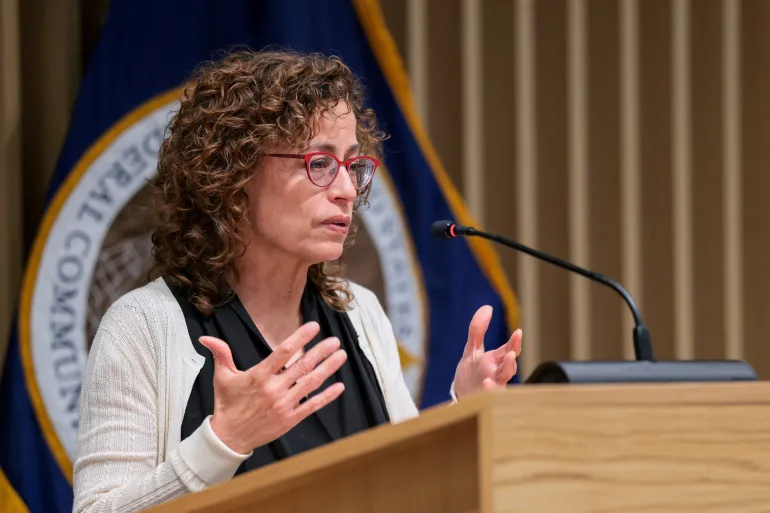
The group said it would limit calls so that the same person would not receive more than three calls over the course of 30 days and would be presented with the option to opt out.The FCC’s public comment period began on September 4, with the deadline for comments on Monday.
Responses to those comments are due October 19, and the FCC has yet to decide whether it will approve the request.Robocalls have been used in political campaigns for years.
The FCC prohibits such calls to cellphones and pagers without the called party’s prior express consent, but they are permitted to landlines.The concern with the use of AI is that it can sound like a real person and make it easier to impersonate someone.
On the back of a rising number of scams using the technology, the FCC, in February 2024, banned it, saying, “this action now makes the act of using AI to generate the voice in these robocalls itself illegal.”“[If] the FCC allows a dark money group to flood Americans’ phones with AI-generated robocalls they never agreed to receive, it would bring chaos so close to Election Day,” commissioner Gomez told the….
In advance of the 2024 New Hampshire primary, voters received a robocall featuring an AI-generated version in the voice of President Joe Biden, the Democrat incumbent, telling them not to vote.The FCC said that political consultant Steve Kramer, who was working for long-shot primary challenger Dean Phillips, was responsible and could face $6m in fines.
He was later acquitted of voter suppression charges.At the state level, Louisiana, Tennessee and Vermont passed laws this year requiring disclosures for AI-generated campaign phone calls.
More broadly, 25 states have passed laws concerning the use of AI-generated materials in elections since 2019.Concerns about AI robocalls underscore broader concerns about AI in the run-up to the midterm elections.According to a new Reuters/Ipsos poll, 57 percent of registered voters said that the administration of US President Donald Trump has not taken the risks of AI seriously enough, with 54 percent saying the same about congressional leadership.Late last….
Its non-compulsory nature has not appeased critics.“The White House Accord on Super Intelligence is ‘morally binding’ only, allowing AI companies to design their own controls, select their own evaluators, and determine whether their own procedures are being followed,” Tom Wheeler, visiting fellow in governance studies with Center for Technology Innovation (CTI) at the think tank Brookings Institution, wrote about the decision.“History suggests voluntary commitments from these companies are unreliable, as….