
 Pakistan · World · Independent Digital Newsroom
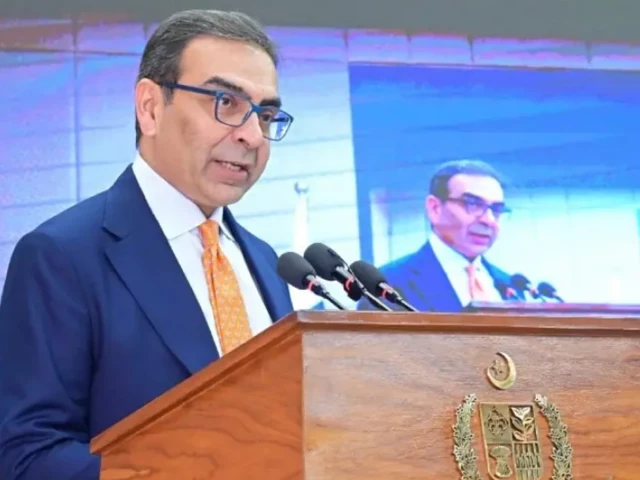
Sectoral priorities should be determined through five considerations: proven strength, the ability to deliver with existing institutions and infrastructure, global demand, employment generation at scale and foreign-exchange earnings.
Applying these criteria, he identified agriculture, textiles and information technology (IT) and digital services as offering opportunities for employment creation, higher economic output and export growth.Pakistan's agricultural sector, he said, needed a new wave of development focused on improving crop yields, storage facilities, processing and value-added exports, building on the gains of the Green Revolution of the 1960s.
In textiles and apparel, the country needed to move beyond yarn and fabric production towards finished garments, brands and technical fabrics to increase value addition and competitiveness in international markets.
Pakistani youth were already serving international clients through freelance work, and better organisation of the sector and stronger digital skills could help capture growing global demand.On taxation, he emphasised documenting the economy to broaden the tax base and distribute the burden more fairly, saying too few taxpayers were carrying a disproportionate share.He said Pakistan had faced severe economic challenges during 2022 and 2023, including fiscal constraints, low productivity, production curtailments,….
"We cannot go through that sort of test again," he said.
"So we need to do something to avoid it in the future."Citing international examples, he said China had built on its agricultural strengths after launching reforms in 1978, South Korea had developed textiles and plywood in the 1960s, Vietnam had transformed from a rice importer into a major exporter, and Bangladesh had developed its garment industry by capitalising on existing strengths."These countries did not try to do everything at once,"….
"They started from what they could already do well and built upon it." Sustained effort and policy continuity had enabled long-term progress.
Federal Minister for Board of Investment Qaiser Ahmed Sheikh told the summit that investment was essential for generating employment, introducing modern technologies, enhancing productivity, expanding industrial capacity and increasing exports, and that Pakistan needed both domestic and foreign investment to build a more resilient and competitive economy.He identified IT, agriculture and agro-processing, mining and minerals, energy, manufacturing, infrastructure and tourism as sectors offering substantial investment opportunities, and said the Board….
Investors required policy consistency, clear regulations, timely decisions and a predictable business environment for long-term commitments, he said.Referring to China's three decades of double-digit growth, the minister said Pakistan could draw lessons on promoting investment, expanding productive capacity and maintaining a long-term focus on economic transformation.
He said the private sector was a central partner in the country's economic transformation and that regular engagement between policymakers and business was essential for effective policy.Sheikh said Pakistan's strengths included a young population, a large domestic market, natural resources and a strategic location, and that realising them required encouraging entrepreneurship, promoting innovation and strengthening competitiveness.
Overseas Pakistanis, he said, could contribute beyond remittances through direct investment, business partnerships, technology transfer and access to international markets.Muhammad Ali also thanked CEO Club Pakistan President and Founder Ijaz Nisar for convening the summit, saying such forums allowed meaningful discussion of economic challenges and growth prospects.
WITH ADDITIONAL INPUT FROM APP