


The debate over children’s screen time is missing a deeper issue: a lack of meaningful, hands-on experiences during early childhood, according to educators and psychologists responding to growing concerns about toddlers’ development.
While recent discussions have focused on limiting the number of hours young children spend in front of screens, experts argue that the real problem is not screens alone, but what children are failing to do instead. Project-based learning advocates say excessive passive consumption is replacing creative, collaborative and purposeful activity that is essential for healthy cognitive and emotional growth.
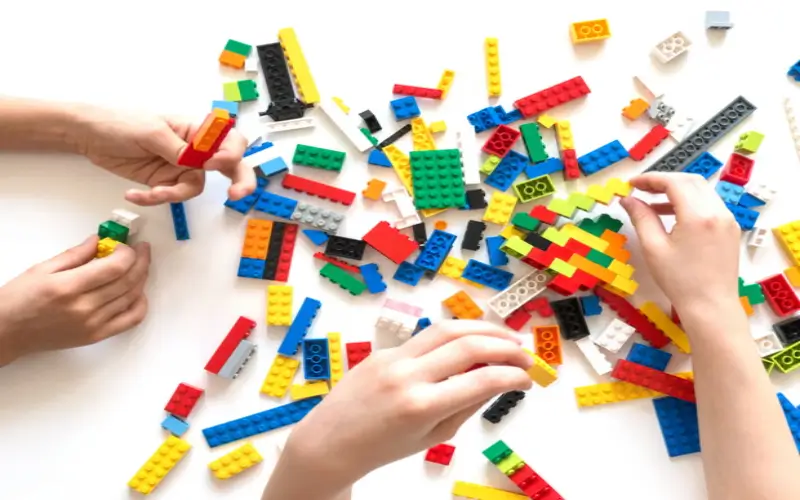
Georgi Kamov, co-founder of the education initiative Red Paper Plane, points to his organization’s work with more than 30,000 children in Bulgaria as evidence of an alternative approach. Through a programme called Design Champions, children aged five to 10 engage in long-term “missions” where they become designers, engineers or city planners. Rather than consuming digital content, they build physical models, solve real-world problems and present their ideas to their communities.
Kamov contrasts this with classrooms where teachers report children crafting cardboard smartphones because screens dominate their everyday experience. “This isn’t a screen problem, it’s a purpose problem,” he argues, saying children need opportunities to create, collaborate and interact meaningfully with their environment.
Psychologists echo this concern, stressing that the first five years of life are critical for brain development. During this period, the brain is rapidly “hardwiring” emotional, social and cognitive foundations through interaction with caregivers and the surrounding world. These early experiences shape a child’s sense of self, trust, attachment and ability to form relationships later in life.
Experts warn that excessive passive screen use can disrupt the “serve-and-return” interactions between children and adults that are vital for language development and emotional regulation. However, they emphasize that simply reducing screen time is not enough without providing enriching alternatives.
The issue is also closely linked to social and economic policy. Child development specialists point to Scandinavian countries as models, citing long paid parental leave, child subsidies and broader social support as factors that enable healthier early childhood environments. In contrast, countries with limited parental support and high childcare costs often leave families struggling to provide the time and attention young children need.
As the UK government prepares new guidance on children’s screen use, experts are calling for a shift in focus. Instead of concentrating solely on duration, they argue policymakers should consider purpose — what children are missing when screens replace hands-on play, creative projects and human interaction.
The message from researchers and educators is clear: children do not need better digital content. They need environments that allow them to actively engage with the world, build, imagine and connect — laying foundations that last a lifetime.
