
 Pakistan · World · Independent Digital Newsroom
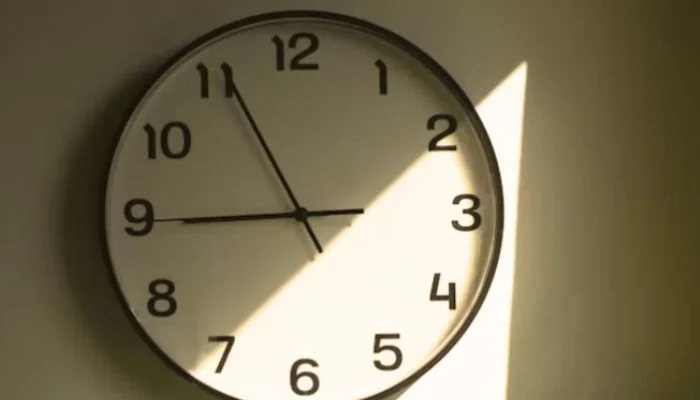
While most smartphones, computers, and other connected digital devices updated automatically, analog clocks and manual timepieces had to be reset.The transition brings brighter mornings but earlier sunsets as the winter months approach.
Daylight Saving Time is scheduled to resume on Sunday, March 14, 2027, when clocks will move forward by one hour.Not all U.S. regions observe Daylight Saving Time.
Areas that remain on standard time year-round did not change their clocks.These include Hawaii and most of Arizona, where residents are exempt from the twice-yearly clock adjustment.Daylight Saving Time was first widely adopted in the United States in 1918, during World War I, following similar measures in Europe.The initiative was introduced as an energy-saving measure intended to conserve fuel and make better use of evening daylight.The Uniform Time Act of….
Later, the Energy Policy Act of 2005 extended the DST period, establishing the current schedule: from the second Sunday in March to the first Sunday in November.Efforts to eliminate the twice-yearly clock change have continued through legislative proposals, including the Sunshine Protection Act, which seeks to make Daylight Saving Time permanent across the United States.However, the proposal would require congressional approval and the president's signature to become law.U.S.
President Donald Trump has also voiced strong support for ending the twice-yearly clock changes, backing the Sunshine Protection Act and advocating for permanent Daylight-Saving Time.He has described the practice of changing clocks twice a year as "depressing" and "discombobulating," arguing that it creates an unnecessary inconvenience for Americans.
Daylight saving time 2026 ended today: Here's what time the clocks changed November 1, 2026.