 Pakistan · World · Independent Digital Newsroom
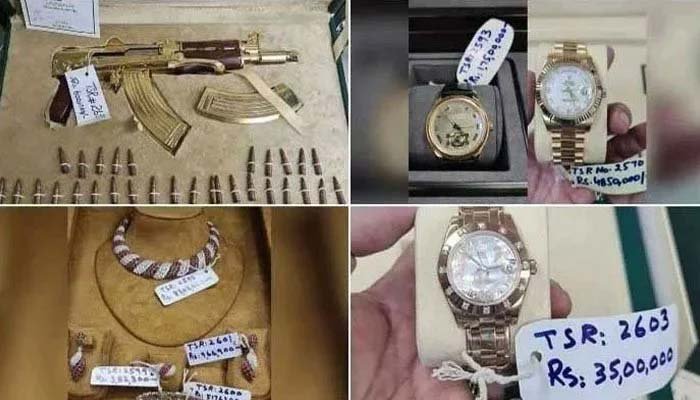
Under the 2026 rules, antiques and items of cultural or historical significance are excluded from auction, while high-value gifts and those considered diplomatically or internationally sensitive may also be exempted.
The decision rests with a committee headed by the cabinet secretary, with senior representatives of the Finance, Foreign Affairs, Law and Culture divisions.The provision creates a distinction between gifts that are sold and those that remain outside the auction process.
Although exemption from auction does not, by itself, allow a recipient to keep a gift privately, the rules make the committee’s classification decisions important in determining how valuable presents are handled.The 2023 procedure had also restricted the private retention of gifts above the $300 threshold, making them state property, and excluded antiques and gifts of intrinsic historical value from the retention concession.
It provided for gifts unsuitable for retention, donation or display to be sold through periodic public auctions.The 2026 framework introduces more detailed valuation safeguards.
The Federal Board of Revenue and a private-sector evaluator assess a gift’s market value, with a third evaluator brought in when the first two valuations differ by more than 25%.
A valuation older than three months cannot be used to determine the reserve price, which must not fall below the assessed market value.The rules also require open auctions, prohibit public office holders and their family members from participating, and provide for live media coverage.
Records of gifts, including assessed values, reserve prices and final auction prices, are to be published through an online portal updated monthly.
However, the names and countries of the dignitaries presenting gifts will remain undisclosed on the portal.The framework further requires annual third-party audits of gifts received and disposed of through the Toshakhana.
Auction proceeds are to be deposited in a separate account for primary education for girls in the country’s most underdeveloped areas.“The central issue in the comparison of previous and new rules is not whether the new rules expressly allow public office holders to retain expensive gifts — the rules do not establish such a general entitlement — but how consistently the government will apply the exemptions for valuable and sensitive….
ISLAMABAD: The federal government.