


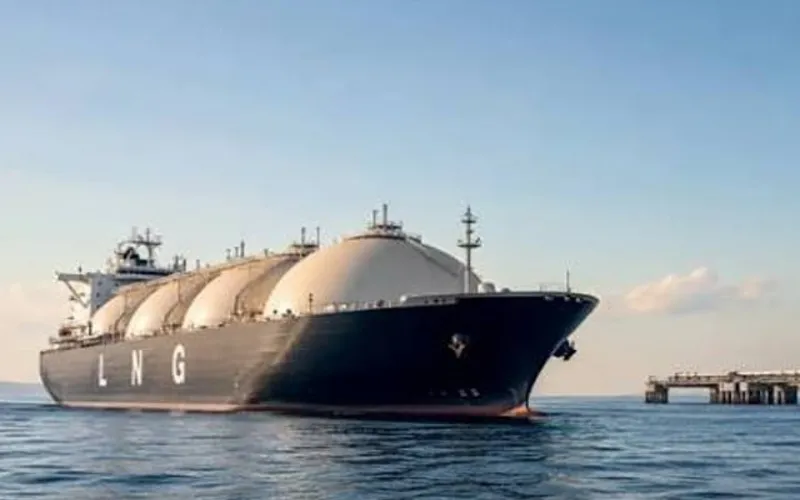
KARACHI: State-run Pakistan LNG Limited (PLL) has issued a fresh tender to procure one spot cargo of liquefied natural gas for delivery between September 4 and 8, as global supply disruptions stemming from the Middle East war continue to strain the country’s gas-fired power generation.
PLL invited bids from international suppliers for a single cargo of 140,000 cubic meters, to be delivered ex-ship at Port Qasim, Karachi. Bids will close and be opened on September 1, according to the notification posted on PLL’s website.
Why Pakistan Needs the Cargo
The tender follows a drop in electricity generation caused by delayed LNG cargoes and a shortage of regasified natural gas (RLNG). Pakistan’s Power Division said generation was disrupted overnight because of RLNG unavailability, and it expects supply to recover once delayed cargoes reach port.
The shortfall has hit around 3,600 MW of generation capacity, a Power Division spokesperson said. Output from the Mangla hydropower complex was also down by roughly 195 MW, adding further strain. The division said the temporary nighttime load management would ease once delayed RLNG cargoes arrive and gas-fired plants receive adequate fuel.
A Pause in Spot Buying Now Reversed
The new tender marks a return to the spot market after a rare lull. According to the Oil and Gas Regulatory Authority (OGRA), no LNG was imported from the spot market during August, the lowest monthly procurement since Pakistan began LNG imports, with the government relying on a single cargo from Qatar under its long-term contract that month.
That pause allowed OGRA to cut RLNG prices for Sui Southern Gas Company consumers by about 27.7 percent, or $6.95 per MMBtu, to $18.13 for August from $25.09 in July, a reversal after RLNG prices had been raised by up to 34.6 percent in July mainly because of five expensive spot cargoes bought that month.
Pakistan’s last spot purchase before the August pause was made in late July: on July 21, PLL accepted a bid from TotalEnergies Gas and Power Limited at $21.88 per MMBtu for a single 140,000-cubic-metre cargo delivered July 27-28, the country’s seventh spot cargo since March and its most expensive since the start of the war.
PLL received only one bid for that tender, and it was found technically and commercially compliant before being accepted. That cargo had itself topped an earlier record: on July 15, PLL awarded PetroChina International a cargo for July 21-22 delivery at $20.6999 per MMBtu, then the highest spot price Pakistan had paid since returning to the international spot market.
Islamabad had hoped to avoid another such purchase this month. In mid-to-late August, officials were working through diplomatic and commercial channels to secure an additional cargo from Qatar for arrival around August 25-26, as spot LNG prices hovered near $21.22 per MMBtu and the landed cost of a spot cargo in Pakistan was estimated at $22.30 to $23 per MMBtu, underscoring why the government had been reluctant to re-enter the spot market before this latest tender.
Root of the Crisis: Qatar Supply Disruption
Pakistan’s shift toward spot purchases traces back to a supply shock earlier in the year. QatarEnergy declared force majeure on March 4, 2026, after an attack on its flagship Ras Laffan LNG production complex, and the disruption, linked to heightened tensions around the Strait of Hormuz, was subsequently extended through August, cutting into the contracted cargoes Pakistan normally receives from Doha.
Growing Reliance on the Spot Market
The scale of the shift is stark. Pakistan received 15 LNG cargoes between March and July this year, seven of them procured on a spot basis, compared with roughly 56 cargoes delivered under long-term Qatari contracts over the same period a year earlier, according to OGRA and AKD Securities data.
By the time of the seventh spot purchase in July, Pakistan had imported 12 cargoes in total for the supply period, seven bought on the spot market and five delivered by QatarEnergy under the long-term agreement.
Pakistan holds two long-term supply agreements with Qatar: a 15-year deal priced at 13.37% of Brent, and a 10-year deal at 10.2% of Brent. With contracted volumes disrupted, the country has increasingly had to absorb far more volatile international spot prices, a shift with direct fiscal consequences.
Every expensive spot cargo Pakistan buys while the QatarEnergy force majeure remains in effect adds to the country’s mounting circular debt, since the price paid often exceeds what regulators allow utilities to recover from consumers, with the gap ultimately absorbed by the state.
LNG-fired plants remain a meaningful part of the energy mix: they produced 1,480 gigawatt-hours in June 2026, accounting for about 11% of Pakistan’s total electricity generation.
