
 Pakistan · World · Independent Digital Newsroom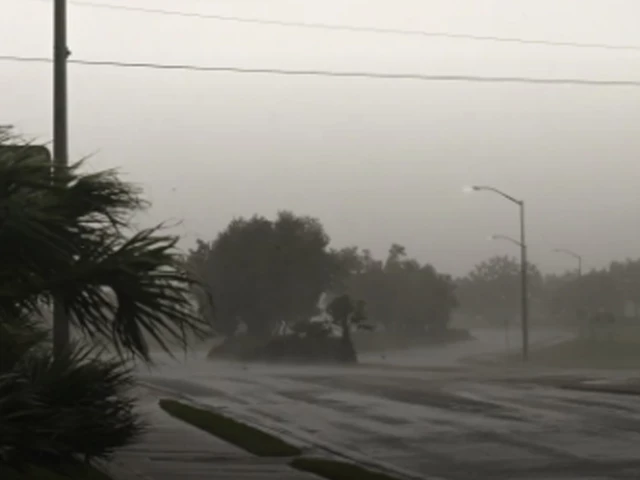
Forecasters expected it to strike the western Florida Panhandle at or near major hurricane strength before weakening over land.The storm is the first hurricane of an Atlantic season subdued by a historically strong El Niño and is expected to be the first to hit the US mainland since Hurricane Milton in 2024.
Mandatory evacuation orders were in effect in several Florida counties.States of emergency had been declared in parts of Alabama, Florida and Georgia.
The NHC warned that storm surge combined with high tides could inundate normally dry areas, with water levels potentially reaching nine feet near the Alabama-Florida border.At least two airports in northwestern Florida were preparing to suspend operations, while oil and gas facilities in the Gulf of Mexico evacuated workers and halted production.
Homeland Security Secretary Markwayne Mullin said federal authorities were coordinating with state and local governments.Isaias strengthened rapidly over record-warm Gulf waters, which scientists say have been heated by fossil fuel-driven climate change.
"Sea surface temperatures in the Gulf of Mexico are in record territory because of fossil fuel-driven climate change," Marc Alessi, a climate scientist, told AFP.He said the hurricane had drawn on the ocean's energy to intensify.
El Niño, the warm phase of the El Niño-Southern Oscillation, typically increases wind shear over the Atlantic, making it harder for hurricanes to develop.
However, Alessi said some areas remained favourable for storm formation.The hurricane has also disrupted energy production.
US President Donald Trump, scheduled to attend a college football game in Alabama on Saturday, said earlier this week he would "let the hurricane determine" his travel plans.
Hurricane Isaias intensifies rapidly before landfall AFP | Updated 8 minutes ago | Category 3 storm heads towards US Gulf Coast, prompting evacuations.