

Close Menu

    Subscribe to Updates

    Get the latest creative news from FooBar about art, design and business.

    What's Hot

    Japanese minister visits shrine to war dead, angering China, South Korea | The World Wars News

    August 15, 2026

    Texas governor orders review of DFW, Houston airports over Muslim ablution facilities

    August 15, 2026

    Kate Lawler reveals how couples’ therapy helped protect her marriage

    August 15, 2026
    Facebook X (Twitter) Instagram
    • Home
    • Politics
    • News
    • Magazines
    Facebook X (Twitter) Instagram
    Login
    22Media22Media
    Subscribe
    • Home
    • News
      • Pakistan News
      • World News
      • Amazing News
      • Only On 22
    • Sports
    • Bussiness
    • Innovation
      • Health & Sciences
      • Technology
    • Culture
      • Crime & Justice
      • Entertainment
    • Politics
    • Magazines
    • Weather
    • Video
    • Live
    22Media22Media
    Home»News»Pakistan News»Rising Middle East tensions pose inflation risk for Pakistan, warns study
    Pakistan News

    Rising Middle East tensions pose inflation risk for Pakistan, warns study

    22febdm@gmail.comBy 22febdm@gmail.comMarch 13, 2026No Comments2 Mins Read
    Facebook Twitter Pinterest LinkedIn Tumblr Email
    Share
    Facebook Twitter LinkedIn Pinterest Email

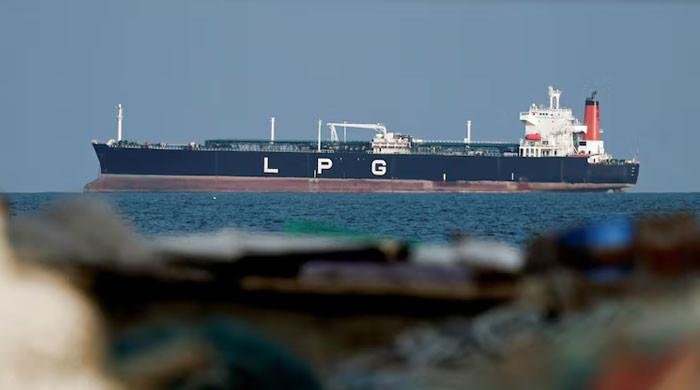
    An LPG gas tanker at anchor as traffic is down in the Strait of Hormuz, amid the ٗص-Israeli conflict with Iran, in Shinas, Oman, March 11, 2026. — Reuters
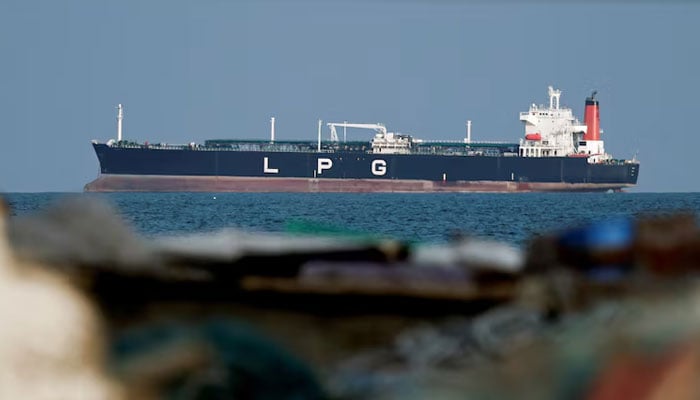
    An LPG gas tanker at anchor as traffic is down in the Strait of Hormuz, amid the ٗص-Israeli conflict with Iran, in Shinas, Oman, March 11, 2026. — Reuters

    A study by Pakistan Institute of Development Economics (Pide) researcher Prof Abida Naurin warned that rising geopolitical tensions in the Middle East could push global oil prices sharply higher, creating significant risks for Pakistan’s inflation outlook, external accounts, and broader economic stability.

    The study highlighted Pakistan’s structural vulnerability due to its heavy dependence on imported petroleum and limited strategic reserves, The News reported.

    It noted that rising geopolitical risks surrounding the Strait of Hormuz already pushed crude oil prices upward in early 2026. As tensions linked to the US–Israel–Iran conflict intensify, the resulting uncertainty added a significant geopolitical risk premium to global energy markets, increasing volatility in oil prices.

    Pakistan remains particularly exposed to these developments because petroleum products account for nearly 30% of its total imports. According to the analysis, every $10 increase in global oil prices could raise Pakistan’s annual petroleum import bill by approximately $1.8–2.0 billion, while also transmitting inflationary pressures across the economy through higher transport, energy, and food costs.

    The study warns that in a worst-case scenario — such as a three-month disruption in the Strait of Hormuz, global oil prices could surge to between $120 and $150 per barrel. Under such circumstances, Pakistan’s monthly petroleum import bill could rise sharply to between $3.5 and $4.5 billion, while consumer inflation could climb from around 7% to as high as 15–17%.

    The research further highlighted Pakistan’s structural exposure to energy shocks. The country imports nearly 80–85% of its petroleum requirements, with most shipments passing through a single maritime route via the Strait of Hormuz before reaching Karachi and Port Qasim.

    With petroleum reserves covering only about 10–14 days of consumption, Pakistan has limited buffers to absorb supply disruptions compared to regional peers such as India, which maintains significantly larger strategic reserves.

    To mitigate these risks, the study recommends in short term calls for strengthened monitoring of fuel stocks, diversification of import routes and suppliers and the exploration of oil hedging strategies to protect against price volatility.

    In the medium to long term, the report stresses the importance of expanding strategic petroleum reserves, diversifying energy imports and accelerating investments in renewable energy and energy efficiency to reduce Pakistan’s vulnerability to global oil shocks.

    Share. Facebook Twitter Pinterest LinkedIn Tumblr Email
    22febdm@gmail.com
    • Website

    Related Posts

    Mir Raza Ali murder case: Court directs investigators to complete probe until Aug 24

    August 15, 2026

    Balloting underway at 23 polling stations in two constituencies of AJK’s Bagh

    August 15, 2026

    President Zardari approves civil awards for 355 personalities from diverse fields

    August 15, 2026
    Add A Comment
    Leave A Reply Cancel Reply

    Demo
    Our Picks
    • Facebook
    • Twitter
    • Pinterest
    • Instagram
    • YouTube
    • Vimeo
    Don't Miss
    World News

    Japanese minister visits shrine to war dead, angering China, South Korea | The World Wars News

    By 22febdm@gmail.comAugust 15, 20260

    Defence Minister Koizumi’s visit to the Yasukuni Shrine comes on the 81st anniversary of Japan’s…

    Texas governor orders review of DFW, Houston airports over Muslim ablution facilities

    August 15, 2026

    Kate Lawler reveals how couples’ therapy helped protect her marriage

    August 15, 2026

    Stress signal may help brain repair itself after injury, study finds

    August 15, 2026

    Subscribe to Updates

    Get the latest creative news from SmartMag about art & design.

    22Media
    Facebook Instagram YouTube WhatsApp
    • Home
    • Politics
    • News
    • Magazines
    © 2026 22Media. Designed by AleemSoft Hub.

    Type above and press Enter to search. Press Esc to cancel.

    Sign In or Register

    Welcome Back!

    Login to your account below.

    Lost password?