

Close Menu

    Subscribe to Updates

    Get the latest creative news from FooBar about art, design and business.

    What's Hot

    Prince Harry’s team responds after reports of frequent UK trips

    August 17, 2026

    Trump rules out rush on Iran, threatens Oman over Hormuz

    August 17, 2026

    Iran signals readiness for ‘US ground operations’ as MoU expires | Donald Trump News

    August 17, 2026
    Facebook X (Twitter) Instagram
    • Home
    • Politics
    • News
    • Magazines
    Facebook X (Twitter) Instagram
    Login
    22Media22Media
    Subscribe
    • Home
    • News
      • Pakistan News
      • World News
      • Amazing News
      • Only On 22
    • Sports
    • Bussiness
    • Innovation
      • Health & Sciences
      • Technology
    • Culture
      • Crime & Justice
      • Entertainment
    • Politics
    • Magazines
    • Weather
    • Video
    • Live
    22Media22Media
    Home»Culture»Crime & Justice»Study uncovers dangerous particles leaching from water bottles
    Crime & Justice

    Study uncovers dangerous particles leaching from water bottles

    22febdm@gmail.comBy 22febdm@gmail.comJanuary 14, 2026No Comments1 Min Read
    Facebook Twitter Pinterest LinkedIn Tumblr Email
    Share
    Facebook Twitter LinkedIn Pinterest Email

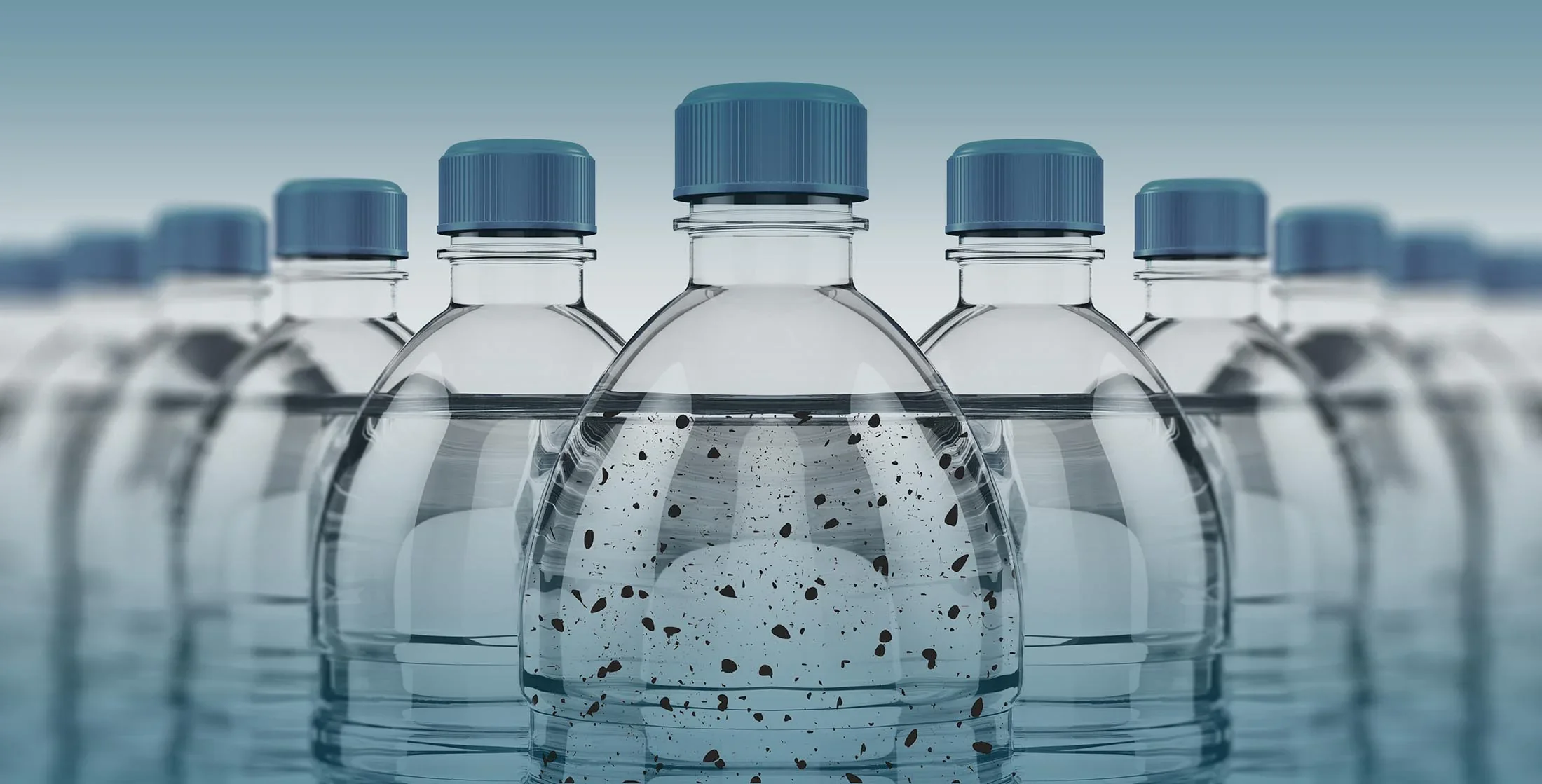
    A new study has revealed that microplastics released from commonly used daily items can directly harm the pancreas, raising serious concerns about their long-term impact on human health.

    Previous research has linked microplastics to a range of health problems, including hormonal disruption, diabetes, stroke, and various types of cancer. However, most earlier studies were unable to establish a clear direct connection between microplastics and damage to specific organs.

    The latest research has now confirmed that polyethylene terephthalate (PET)—a key component of plastic bottles—has toxic effects on the pancreas.

    In a study conducted by researchers from Poland and Spain, PET microplastics were found to cause toxic damage to pancreatic cells in pigs, potentially increasing the risk of diabetes and obesity.

    Scientists exposed pig pancreatic tissue to varying concentrations of PET microplastics and examined fat accumulation and toxicity at the cellular level. The findings revealed alarming evidence that PET microplastics can increase cell death within the pancreas and disrupt its normal functioning.

    According to the researchers, these microplastics directly interfere with essential proteins required for proper pancreatic activity, highlighting a possible mechanism through which plastic pollution may contribute to metabolic diseases.

    Share. Facebook Twitter Pinterest LinkedIn Tumblr Email
    22febdm@gmail.com
    • Website

    Related Posts

    Ronaldo hints at possible retirement after 2026-27 season

    August 17, 2026

    Pakistan stocks end higher as KSE-100 gains 397 points

    August 17, 2026

    Rawalpindi registers 1,670 dengue FIR as crackdown intensifies

    August 17, 2026
    Add A Comment
    Leave A Reply Cancel Reply

    Demo
    Our Picks
    • Facebook
    • Twitter
    • Pinterest
    • Instagram
    • YouTube
    • Vimeo
    Don't Miss
    Politics

    Prince Harry’s team responds after reports of frequent UK trips

    By 22febdm@gmail.comAugust 17, 20260

    Harry and his wife, Meghan, stepped down as senior working members of the British royal…

    Trump rules out rush on Iran, threatens Oman over Hormuz

    August 17, 2026

    Iran signals readiness for ‘US ground operations’ as MoU expires | Donald Trump News

    August 17, 2026

    Viral ‘Chaiwala’ launches UK trademark action against former business partner

    August 17, 2026

    Subscribe to Updates

    Get the latest creative news from SmartMag about art & design.

    22Media
    Facebook Instagram YouTube WhatsApp
    • Home
    • Politics
    • News
    • Magazines
    © 2026 22Media. Designed by AleemSoft Hub.

    Type above and press Enter to search. Press Esc to cancel.

    Sign In or Register

    Welcome Back!

    Login to your account below.

    Lost password?