


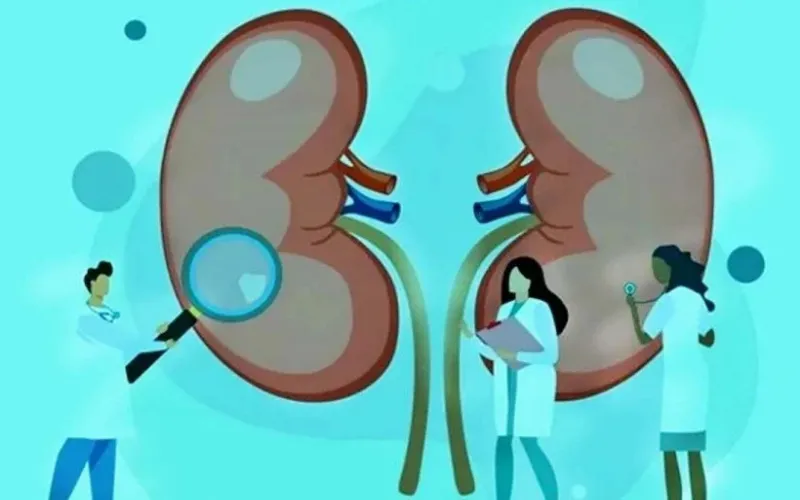
As winter deepens, the sharp decline in temperatures is emerging as a silent physiological stressor, intensifying multiple cold-induced health conditions.
Medical professionals caution that prolonged exposure to low temperatures can disrupt urinary regulation, exacerbate musculoskeletal rigidity, and negatively influence neurochemical balance, underscoring the need for heightened seasonal health awareness and preventive care.
Physicians have warned that colder weather can significantly increase certain health risks if proper precautions are not taken. Peace of Mind Urology Clinic Director Lu Chin-heng, in a Facebook post, highlighted that urinary complications tend to worsen during winter.
These include frequent urination, nocturia the need to wake up at night to urinate and urinary retention associated with benign prostatic hyperplasia (BPH).
According to Director Lu Chin-heng, low temperatures trigger a condition known as “cold-induced diuresis,” which leads to increased urine production and a heightened urge to urinate.
He advised individuals not to reduce their water intake despite the cold, stressing that dehydration can worsen urinary symptoms.
Instead, he recommended limiting excessive caffeine consumption, particularly in the evening, and keeping the abdomen and lower body adequately insulated.
Lu Chin-heng further explained that activation of cold receptors causes involuntary contraction of the bladder muscles, making urinary symptoms more pronounced. To reduce discomfort, he suggested wearing thermal clothing or waist warmers, avoiding prolonged sitting on cold surfaces, and urinating regularly. Individuals with BPH or existing urinary disorders were urged to seek timely medical consultation.
The risk of urinary tract infections (UTIs) also rises during winter, as people tend to drink less water or delay urination, creating an environment conducive to bacterial growth.
Director Lu Chin-heng emphasized the importance of maintaining consistent hydration, avoiding urine retention, and seeking immediate medical attention if symptoms such as pain or a burning sensation during urination occur.
Beyond urinary health, Lu noted that cold temperatures reduce the circulation of synovial fluid, which is essential for joint lubrication. This reduction can lead to joint stiffness, decreased mobility, and increased pain.
He advised people to gently warm up their bodies after waking, keep joints protected from cold exposure, and avoid sudden or strenuous physical activity.
Addressing mental health concerns, Lu also pointed out that reduced exposure to sunlight during winter can disrupt serotonin and melatonin levels, contributing to seasonal affective disorder.
He encouraged people to spend more time in daylight, maintain social engagement and regular routines, and seek professional help if symptoms such as persistent low mood or fatigue last longer than two weeks.
Concluding his advice, Lu stressed that staying warm, maintaining adequate hydration, avoiding prolonged urine retention, and adopting gradual movement are essential measures to minimize health risks associated with winter conditions.
