
 Pakistan · World · Independent Digital Newsroom
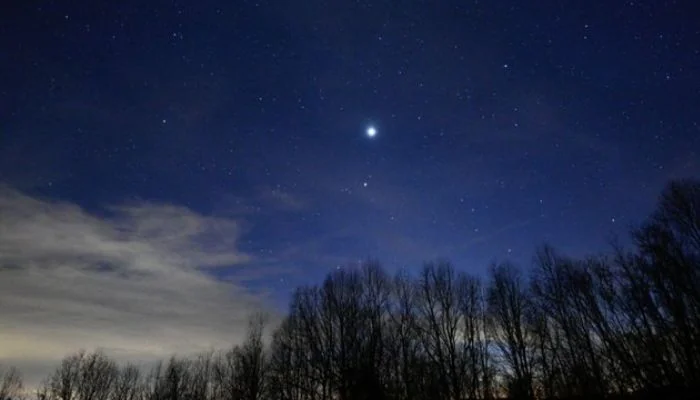
Mercury is also appearing just before dawn giving early risers a great chance to spot a rare fourth planet in a single morning.Though its brightness peaks this weekend, the planet will be a major fixture in the dawn sky for months.
Venus is so brilliant because it is very close to Earth and has a highly reflective atmosphere so like Mercury, Venus’s phases are similar to the moon through telescope it appears as a 27%-lit crescent.Its proximity to Earth keeps it glowing within the thin crescent, and the coming weeks will show the illuminated portion grow as its angular size decreases.
Venus will continue dominating the predawn sky into the coming months even though its light will gradually fade; moreover, as Venus moves farther from Earth, it will gradually fade through 2027 with its next peak luminosity in 2028.
Venus shines 20 times brighter than the brightest star: Here’s how to see it November 28, 2026.