


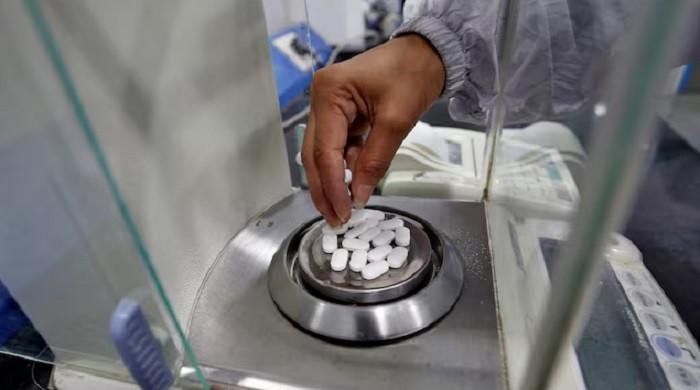
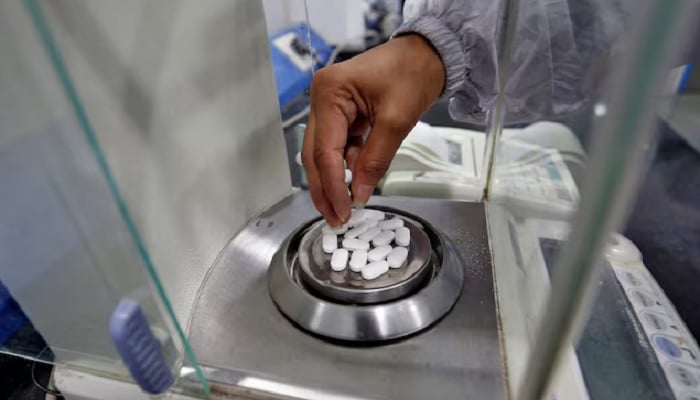
Common bacteria can turn plastic waste into the over-the-counter painkiller acetaminophen, researchers have discovered.
Acetaminophen, the main ingredient in Tylenol and also known as paracetamol in some countries, is usually made from fossil fuels.
The new method, developed with support from AstraZeneca, transforms a molecule from a widely used plastic known as polyethylene terephthalate (PET) into Tylenol’s active ingredient, leaving virtually no carbon emissions, according to a report in Nature Chemistry.
The plastic is converted to the drug at room temperature in less than 24 hours, using a fermentation process similar to what is used in brewing beer, the researchers said.
PET, a strong, lightweight plastic used for water bottles and food packaging, accounts for more than 350 million tons of waste annually.
“This work demonstrates that PET plastic isn’t just waste or a material destined to become more plastic. It can be transformed by microorganisms into valuable new products, including those with potential for treating disease,” study leader Stephen Wallace of the University of Edinburgh said in a statement.
More work is needed before PET can be used to produce acetaminophen at commercial levels, the researchers said.
Microplastics found in human reproductive fluids
The majority of men and women have microplastics in their reproductive fluids, according to the results of a small study reported at the European Society of Human Reproduction and Embryology meeting in Paris.
The presence of the microplastics raises important questions about their potential risks to fertility and reproductive health, researchers said.
The tiny contaminants – plastic particles under 5 millimetres in size – were present in the follicular fluid that encases developing eggs in the ovaries in 20 of 29 women, or 69%. Microplastics were found in seminal fluid in 12 of 22 men, or 55%.
Both types of fluid play critical roles in natural conception and assisted reproduction, the researchers said.
In both groups, the microplastic polymers included polytetrafluoroethylene (Teflon), polystyrene, polyethylene terephthalate, polyamide, polypropylene and polyurethane.
In animals, microplastics can induce inflammation, damage to tissues and to DNA, and hormonal disruptions, study leader Emilio Gomez-Sanchez of Next Fertility Murcia in Spain said in a statement.
In a separate presentation at the meeting, Manel Boussabeh of Fattouma Bourguiba Hospital in Monastir, Tunisia, and colleagues reported that sperm exposed to microplastics in test tubes had impaired motility and damage to DNA.
Other researchers have previously found significant amounts of microplastics in the testicles of dogs and humans, and the canine data suggested the particles may contribute to impaired fertility.
Restoring a protein can turn off chronic inflammation
Researchers can turn off chronic inflammation while leaving intact the ability of cells to respond to short-term injuries and illnesses by targeting a newly identified protein, according to a report in Nature.
Chronic inflammation occurs when the immune system is stuck in overdrive, as with persistent conditions such as arthritis, inflammatory bowel disease or obesity. Acute inflammation – with pain, fever, swelling, and redness, for example – resolves relatively quickly.
Researchers found that a protein responsible for controlling inflammatory genes becomes degraded and is lost from cells during chronic inflammation.
In test tube experiments, restoring the protein called WSTF blocked chronic inflammation in human cells without interfering with acute inflammation, allowing appropriate immune responses to short-term threats.
The researchers then designed a medicine that protects WSTF from degradation and suppresses chronic inflammation by blocking the WSTF interaction with another protein in the cell nucleus.
The researchers have successfully tested the drug to treat mice with fatty liver disease or arthritis and to reduce inflammation in chronically inflamed knee cells obtained from patients undergoing joint replacement surgery.
Studying human tissue samples, the researchers found that WSTF is lost in the livers of patients with fatty liver disease but not in the livers of healthy people.
“Chronic inflammatory diseases cause a great deal of suffering and death, but we still have much to learn about what drives chronic inflammation and how to treat it,” study leader Zhixun Dou of Massachusetts General Hospital said in a statement.
“Our findings help us separate chronic and acute inflammation, as well as identify a new target for stopping chronic inflammation that results from ageing and disease.”
