 Pakistan · World · Independent Digital Newsroom
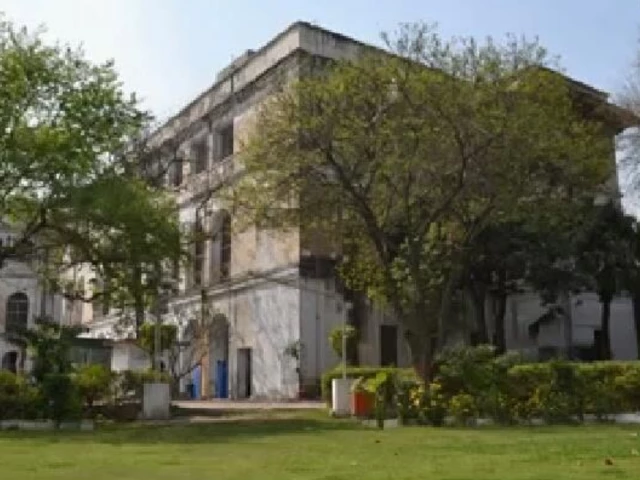
A proposed law to turn unused government land and buildings into revenue-generating assets has raised fears that, in the name of economic gains, public property and decision-making could be drawn away from local institutions and concentrated in the hands of provincial bureaucrats.The Punjab government has introduced the Asset Management Authority of Punjab Bill 2026 in the provincial assembly, proposing a body empowered to identify, value, lease, sell and develop public….
Its jurisdiction would extend beyond provincial departments to autonomous bodies, authorities and local governments.Economist Khalid Rasool warned that the proposed authority would further centralise powers at the provincial level, undermining the autonomy of local governments and public institutions.
He argued that local bodies should retain control over their assets and resources to address the specific development needs of their communities.He also questioned the authority's bureaucratic composition, saying the absence of adequate representation from elected representatives, the provincial cabinet and local governments would weaken independent oversight.
Its extensive powers to obtain property records and issue directions to public institutions, he added, lack clear limitations and an effective mechanism for appeal.Rasool further questioned the Chief Minister's discretion in appointing the managing director, arguing that recruitment should follow an open, merit-based process.
Citing Punjab's experience with more than 50 management companies established during Shehbaz Sharif's tenure, he warned that transferring responsibilities and resources to another centralised body could invite similar allegations of favouritism, nepotism and corruption."Strengthening existing departments and devolving powers to local governments would be a more sustainable approach," maintained Rasool.Advocate Azhar Siddique also warned that the proposed legislation could threaten fundamental rights, public ownership and accountability by allowing the authority….
He also criticised Section 40, which requires the authority's prior approval before legal proceedings can be initiated against its officials, saying it could weaken independent accountability.Siddique further questioned whether provisions for direct contracting, unsolicited investment proposals and concessions would ensure transparent transactions.
He warned that sweeping eviction powers and restrictions on judicial intervention could also compromise citizens' rights and access to justice.Under the proposed financial arrangement, 98 per cent of net proceeds from asset sales and projects would go into the Punjab Provincial Consolidated Fund, while the authority would retain two per cent for administrative expenses.
Its accounts would be audited annually by the Auditor General of Pakistan and a chartered accountant.The concerns emerge as Punjab faces substantial financial obligations.
The provincial budget for 2026-27 stands at Rs5,903 billion, including Rs752 billion for development spending, while the government has set a cash surplus target of Rs910 billion.Punjab Finance Minister Mian Mujtaba Shujaur Rehman has said the authority is intended to improve the utilisation of public assets, generate additional revenue and direct resources towards development.
However, the bill does not specify the total value of provincial assets or establish a revenue target from their commercialisation.The central question, critics argue, is whether generating revenue from public property can be achieved without weakening institutional autonomy, public ownership and accountability.
The success of the proposed authority will ultimately depend not only on how much money it generates, but also on who controls these assets and who has the power to hold that authority accountable.
Punjab plans central authority to take control of public assets Muhammad Ilyas | Updated 13 minutes ago | Proposed law faces criticism over bureaucracy, weaker local powers and reduced public accountability.