

Close Menu

    Subscribe to Updates

    Get the latest creative news from FooBar about art, design and business.

    What's Hot

    President confers Nishan-e-Imtiaz on NSC Commander Gen Raza

    August 11, 2026

    ODI World Cup 2027: West Indies miss direct entry, to play Qualifier

    August 11, 2026

    Hungary elects supreme court judge ousted by Orban as new president | Civil Rights News

    August 11, 2026
    Facebook X (Twitter) Instagram
    • Home
    • Politics
    • News
    • Magazines
    Facebook X (Twitter) Instagram
    Login
    22Media22Media
    Subscribe
    • Home
    • News
      • Pakistan News
      • World News
      • Amazing News
      • Only On 22
    • Sports
    • Bussiness
    • Innovation
      • Health & Sciences
      • Technology
    • Culture
      • Crime & Justice
      • Entertainment
    • Politics
    • Magazines
    • Weather
    • Video
    • Live
    22Media22Media
    Home»Innovation»Health & Sciences»How to stay safe during a heatwave
    Health & Sciences

    How to stay safe during a heatwave

    22febdm@gmail.comBy 22febdm@gmail.comMay 20, 2025No Comments3 Mins Read
    Facebook Twitter Pinterest LinkedIn Tumblr Email
    Share
    Facebook Twitter LinkedIn Pinterest Email

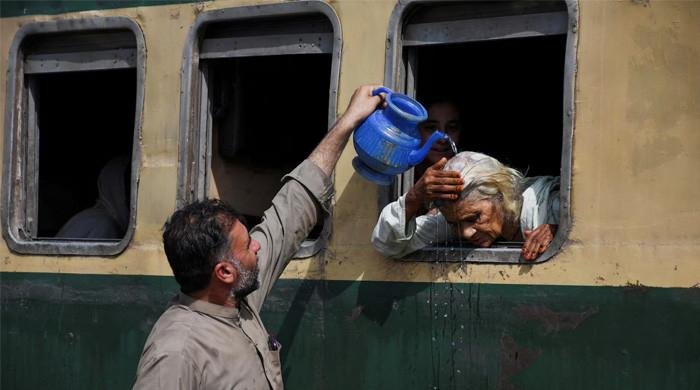
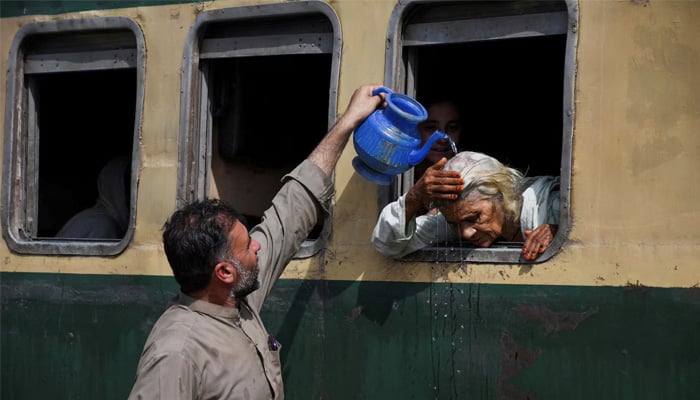
    A woman, leaning out of a train window, receives water on her head to cool off during a hot and humid day at the Hyderabad Railway Station in Hyderabad. — Reuters
    A woman, leaning out of a train window, receives water on her head to cool off during a hot and humid day at the Hyderabad Railway Station in Hyderabad. — Reuters

    Heat is now the leading cause of weather-related deaths globally, with an estimated 489,000 people dying from heat-related causes each year, according to the World Health Organisation (WHO). 

    As extreme temperatures become more common in Pakistan as well, lets delve into the WHO guidelines to help people stay safe during heatwaves.

    In extreme heat, the human body struggles to regulate internal temperature, increasing the risk of heat exhaustion, kidney injury and cardiovascular stress. The effects can be sudden and severe: hospitalisations and deaths may spike within hours or days of a heatwave onset.

    WHO emphasises that the health impacts of heat are predictable and largely preventable. With effective public health measures and coordinated action across sectors, many deaths and illnesses can be avoided. 

    However, awareness remains low both among health workers and the general public.

    The WHO recommends staying indoors during the hottest times of the day, and keeping living spaces cool by blocking direct sunlight with curtains or blinds and ventilating at night. Using fans or air conditioning, if available, can offer critical relief, with air conditioners recommended to be set at 27°C. 

    Even a few hours in a cool environment each day can significantly reduce the risk of heat-related illness.

    Hydration is another key aspect of heat protection. People are advised to drink water regularly, even if they do not feel thirsty, about one cup per hour and at least 2 to 3 litres per day. 

    They should avoid beverages that can lead to dehydration, such as alcohol and sugary drinks. Eating lighter meals more frequently can also help the body cope with high temperatures.

    Taking cool showers or baths can help lower body temperature, and those who must go outside should remain in shaded areas as much as possible. Light, loose-fitting garments made of breathable fabric, as well as wide-brimmed hats and sunglasses, can offer additional protection outdoors.

    WHO also emphasises the importance of checking in on family, friends and neighbours, especially those who are older, live alone or have health conditions that put them at greater risk during extreme heat.

    “Some people are particularly vulnerable to the effects of heat, including young children, older people, and people with chronic health conditions, so keep in touch with family, friends and neighbours, especially those who spend much of their time alone. By looking after each other and staying informed, we can minimise the impact of extreme heat on our communities,” said WHO official Dr Skender Syla.

    Share. Facebook Twitter Pinterest LinkedIn Tumblr Email
    22febdm@gmail.com
    • Website

    Related Posts

    Australia confirms first mass death of seabirds from H5N1 bird flu

    August 3, 2026

    Health experts urge Pakistan to conduct first nationwide HIV survey

    July 28, 2026

    Finance minister-led committe approves prices of 52 life-saving drugs

    July 25, 2026
    Add A Comment
    Leave A Reply Cancel Reply

    Demo
    Our Picks
    • Facebook
    • Twitter
    • Pinterest
    • Instagram
    • YouTube
    • Vimeo
    Don't Miss
    Crime & Justice

    President confers Nishan-e-Imtiaz on NSC Commander Gen Raza

    By 22febdm@gmail.comAugust 11, 20260

    Prime Minister Shehbaz Sharif, Field Marshal Syed Asim Munir and the services chiefs attended the…

    ODI World Cup 2027: West Indies miss direct entry, to play Qualifier

    August 11, 2026

    Hungary elects supreme court judge ousted by Orban as new president | Civil Rights News

    August 11, 2026

    President Zardari confers Nishan-e-Imtiaz on NSC Commander Gen Raza

    August 11, 2026

    Subscribe to Updates

    Get the latest creative news from SmartMag about art & design.

    22Media
    Facebook Instagram YouTube WhatsApp
    • Home
    • Politics
    • News
    • Magazines
    © 2026 22Media. Designed by AleemSoft Hub.

    Type above and press Enter to search. Press Esc to cancel.

    Sign In or Register

    Welcome Back!

    Login to your account below.

    Lost password?