


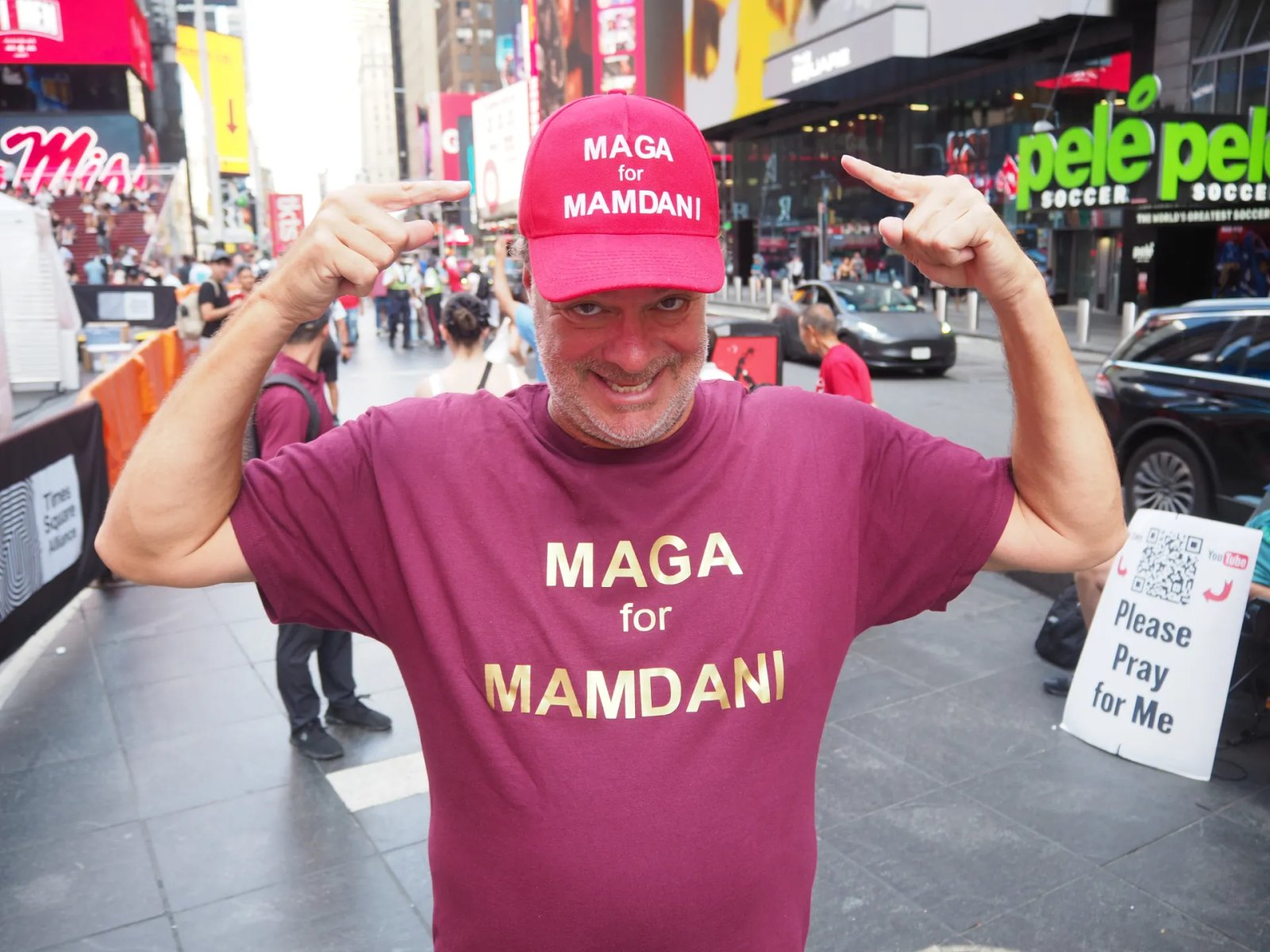
Affordability a common theme
A major factor for those crossover voters has traditionally been the economy.
Micah Rasmussen, the director of the Rebovich Institute for New Jersey Politics at Rider University, said affordability-themed campaigns were a common element among politicians like Mamdani and Trump, even if their platforms differed dramatically.
“There was a subset of voters who thought that Trump was going to be the candidate who could deliver relief from affordability issues and also thought that Mamdani was the person that could do that,” Rasmussen said.
Going into November’s midterms, voters have once again ranked economy-related issues as their top concern.
A poll from the research firm Ipsos released last month found that 48 percent of voters ranked cost of living as their “most important factor” this election cycle, higher than any other issue.
That remained true among the subsets of voters who identified solely as Republican or Democrat, as well as the respondents who bucked party affiliation altogether.
Whoever can speak most effectively to those toss-up voters may have an advantage in the midterms.
There are fewer competitive seats in this year’s midterm races than in previous election cycles, in part because of a mid-decade redistricting push under Trump.
That redistricting effort resulted in about 10 states redrawing their congressional maps to favour one political party over the other.
The midterms will determine whether Republicans maintain their majorities in Congress. But the margins are tight. Democrats need a net gain of four seats to take back the Senate, and three for the House of Representatives.
Fewer competitive seats means voters like Barba carry more weight.
Experts say successful candidates will likely seek to speak to voters across the political spectrum — though, as the Mamdani-Trump demographic suggests, that does not necessarily mean offering a centrist platform.
“In higher-turnout elections — general elections, presidential elections — it’s not possible to win with just your own side,” Rasmussen said.
“You have to reach across the divide and appeal to unaffiliated voters.”
