


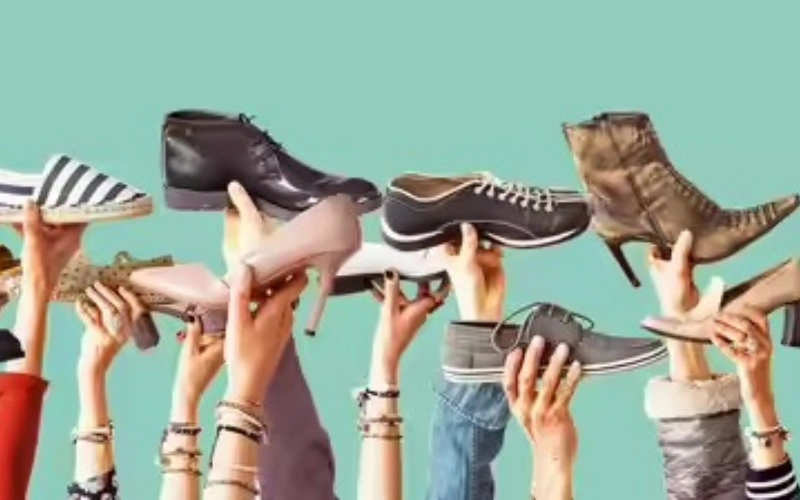
That stylish pair of shoes or comfortable-looking slippers may complete an outfit, but what you put on your feet can also affect how your body feels by the end of the day.
Experts warn that poorly fitting or inadequately supportive footwear, especially when worn for hours, can place extra strain on the feet and potentially contribute to discomfort in the knees, hips and lower back.
Footwear needs vary from person to person. Factors such as foot shape, flat feet, walking patterns, arch support and the amount of time a pair is worn can all determine whether it is suitable for everyday use.
Among the common footwear choices that may cause problems for some people when worn regularly or for extended periods are flip-flops, pointed shoes, ballet flats, Crocs, Kolhapuri sandals and high-heeled footwear.
Flip-flops offer convenience but limited support
Flip-flops are a common choice at home and are especially popular for use in bathrooms and other casual settings. While they are lightweight and easy to wear, many provide little arch support or stability.
For people with flat feet or those who spend long periods walking in them, the lack of support may affect their natural stride and place additional stress on the legs and knees. They are generally better suited to short-term, casual use than extended walking.
Pointed shoes can squeeze the toes
Pointed shoes and ballet flats can add a polished touch to office and formal outfits, but their narrow fronts may leave insufficient room for the toes.
Read More: Comfort footwear company steps into lifestyle
Wearing footwear that continually compresses the toes can cause pressure and discomfort and may affect their natural position over time. Shoes should allow the toes enough space to move comfortably.
Soft footwear is not always supportive
Crocs are popular for their lightweight and soft design, but comfort alone does not necessarily mean a shoe provides adequate support.
Some very flexible or soft footwear may offer limited stability for certain people. If the foot is not properly supported while walking, changes in gait may place additional stress on the legs and knees.
When choosing this type of footwear, consumers should consider the fit, sole and stability rather than focusing only on softness.
Kolhapuri sandals may lack arch support
Kolhapuri sandals are a popular traditional footwear choice and are often worn with Eastern clothing. However, their relatively flat soles may provide limited support for the arch.
For people with flat feet or certain foot structures, prolonged use may affect foot alignment and walking mechanics, potentially contributing to discomfort in the lower body.
That does not mean Kolhapuri sandals are unsuitable for everyone. Their fit, comfort and support should be considered, particularly when they are worn for extended periods.
High heels can shift pressure
High-heeled shoes can change the distribution of body weight, shifting more pressure toward the front of the foot. The altered posture may also place additional strain on the lower back and hips.
Pointed, high-heeled shoes can further increase pressure on the toes and the front of the foot. Wearing them occasionally may be manageable, but using them for several hours every day can increase discomfort and strain.
Chelsea boots can also become uncomfortable if their fit or sole does not provide sufficient stability. As with other footwear, the effect depends on the individual’s foot structure, the fit and how long the shoes are worn.
Fit matters more than fashion
Choosing footwear should involve more than appearance. Shoes and sandals should fit properly, leave enough room for the toes and provide appropriate support and stability.
Persistent pain in the feet, knees, hips or back after wearing a particular pair should not be ignored. Changing footwear may help in some cases, but recurring or worsening pain should be evaluated by a qualified health professional.
The goal is not to avoid a particular style altogether but to choose footwear that suits your feet and the activity. Fashion may determine what you wear, but proper fit, support and comfort can make a difference in how your body feels after a long day.
