


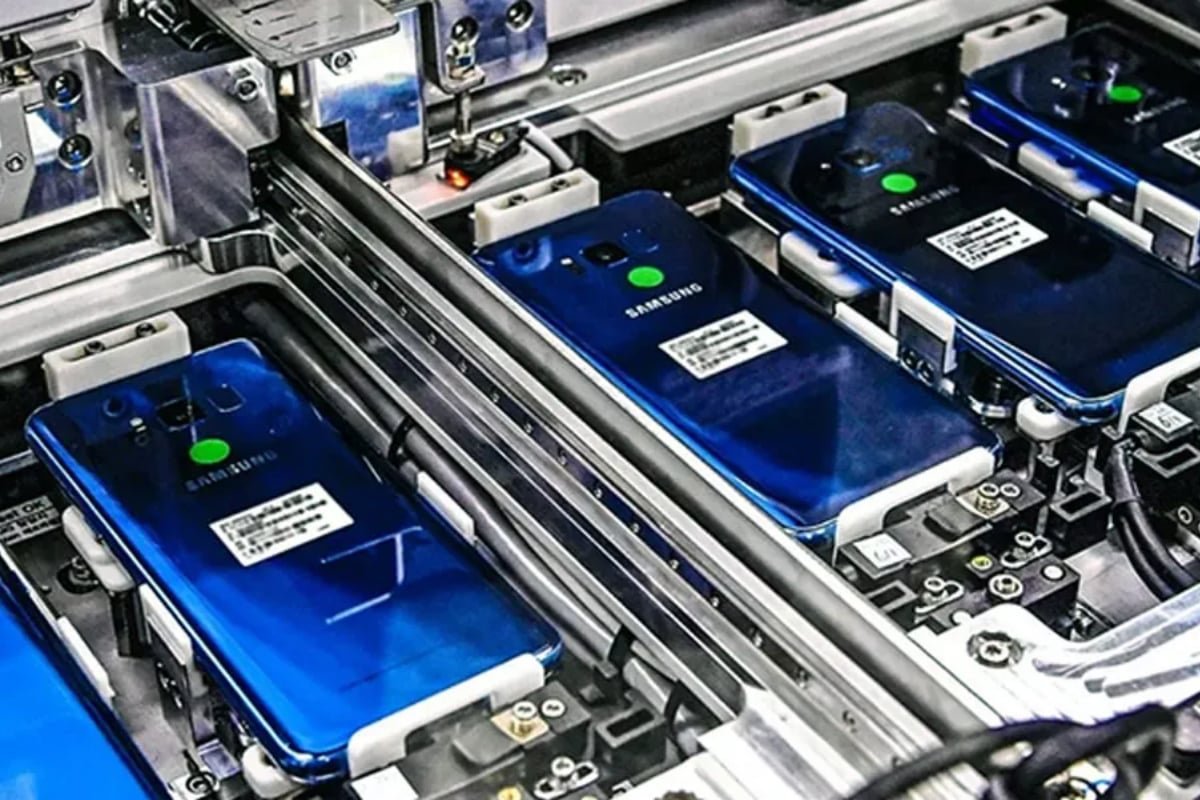
KARACHI: Pakistan’s mobile phone industry achieved a significant milestone in July 2026, with local manufacturing covering nearly all national demand as imports plummeted by more than a third, according to new data from the Pakistan Telecommunication Authority (PTA).
Local mobile phone companies manufactured or assembled 3.90 million units in July 2026, up 9% from a year earlier and more than double, a 102% increase, from the previous month, PTA figures show.
Analysts attributed the sharp month-on-month rebound to pent-up consumer demand, as buyers who had delayed purchases ahead of the FY27 federal budget returned to the market, boosting local assembly volumes.
Imports Decline Sharply as Local Output Rises
Even with the July rebound, cumulative manufacturing for the first seven months of 2026 declined 5% year-on-year, totaling 17 million units compared with 17.83 million units over the same period in 2025.
Imports, meanwhile, fell sharply. Mobile phone imports dropped 35% year-on-year and 83% month-on-month in July, to just 0.11 million units.
As a result, domestically manufactured devices met 97% of Pakistan’s mobile phone demand in July 2026, up from 75% in May 2026. For the first seven months of the year, local production has satisfied 86% of national demand.
The July figures extend a longer-running shift in Pakistan’s handset market.
According to the PTA’s most recent annual report, more than 95% of mobile devices used in Pakistan were produced domestically by 2025, including 68% of smartphones.
A total of 36 companies, including global brands such as Samsung, Xiaomi, Oppo and Vivo, have received manufacturing authorization to assemble devices in the country.
Government Policies Driving Import Substitution
Pakistan has taken several policy steps over the past few years aimed at import substitution in the mobile sector. The government approved its first Mobile Device Manufacturing Policy in 2020 to attract investment and encourage major smartphone brands to establish local assembly plants.
The policy included tax incentives and the abolition of withholding tax on locally assembled phones, measures credited with drawing manufacturers to set up operations in cities including Faisalabad, Lahore and Karachi.
The PTA has also relied on its Device Identification, Registration and Blocking System, known as DIRBS, introduced under the Mobile Device Management Regulations of 2021.
The system links device registration to network authorization, curbing the inflow of smuggled, counterfeit and non-compliant phones while formalizing the domestic device market.
The PTA’s annual report said DIRBS-driven enforcement blocked nearly 100 million non-compliant devices in the 2024-25 fiscal year alone, including tens of millions of counterfeit and cloned handsets, further reinforcing demand for locally manufactured, compliant devices.
Together, officials and analysts say, these measures have transformed Pakistan’s mobile assembly industry from a nascent sector into one capable of meeting the overwhelming majority of the country’s handset demand, reducing the outflow of foreign exchange on imported devices even as overall consumer demand fluctuates with economic conditions such as budget cycles and currency pressures.
