


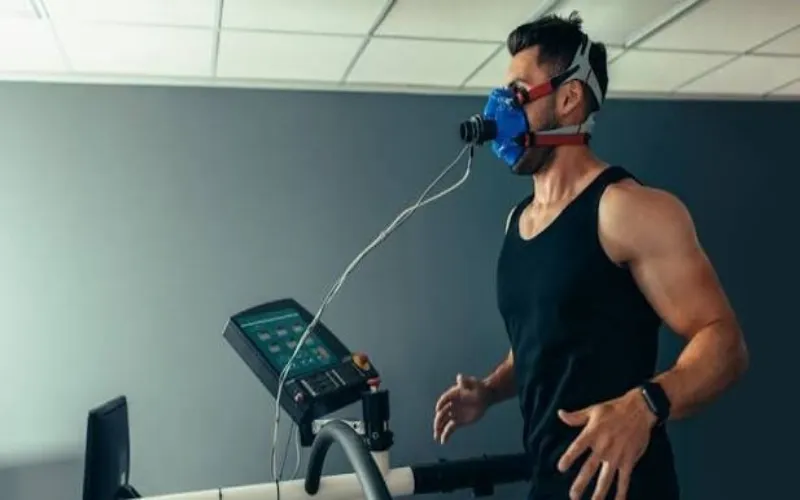
A new fitness trend is turning an old health measurement into a social media scorecard, as people around the world track and try to raise their VO2 max in the hope of improving fitness, endurance and possibly living longer.
The trend focuses on VO2 max, a measure of how much oxygen the body can use during intense exercise. Smartwatches, fitness trackers and health apps can estimate the number, making it easy for users to monitor their progress and share their results.
The measurement is usually reported in milli-liters of oxygen used per kilogram of body weight per minute. It reflects how efficiently the heart, lungs, blood vessels and muscles work together during exercise.
VO2 max has long been used to measure aerobic fitness. Research has also linked higher cardiorespiratory fitness with a lower risk of several chronic health problems.
Wearable devices can turn workouts into a numbers game, encouraging users to improve their scores in the same way people chase steps, calories or sleep targets.
The trend also fits into the wider online culture of “maxxing,” where people try to optimize different parts of their lives, from sleep and nutrition to fitness and biological age. One popular approach is the 4-by-4 interval workout, which uses four minutes of hard exercise followed by recovery periods.
But chasing a higher number is not a shortcut to better health. Fitness experts warn that focusing too heavily on one metric can distract people from basic habits, there is also a risk of doing too much too quickly.
For most people, the goal should not be winning a fitness leaderboard. Building a consistent exercise routine, improving endurance and staying healthy over time may matter more than chasing the highest number on a watch.
